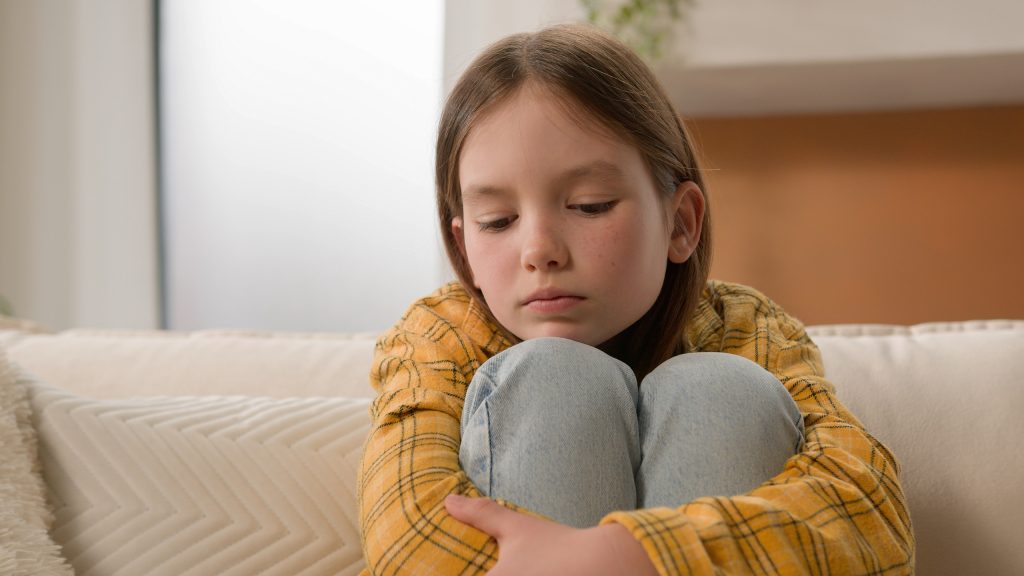

Children and teenagers often display symptoms of depression differently than adults.
Being constantly cranky and having sudden angry outbursts

Sadness is typically the primary symptom of depression in adults. However, crankiness is the number one symptom of depression in children and teenagers.
Rather than displaying sadness, a depressed child may seem endlessly irritated. They may pick fights, be overly critical of everything, or scream in rage at the smallest provocations.
Complaining about random stomachaches and headaches
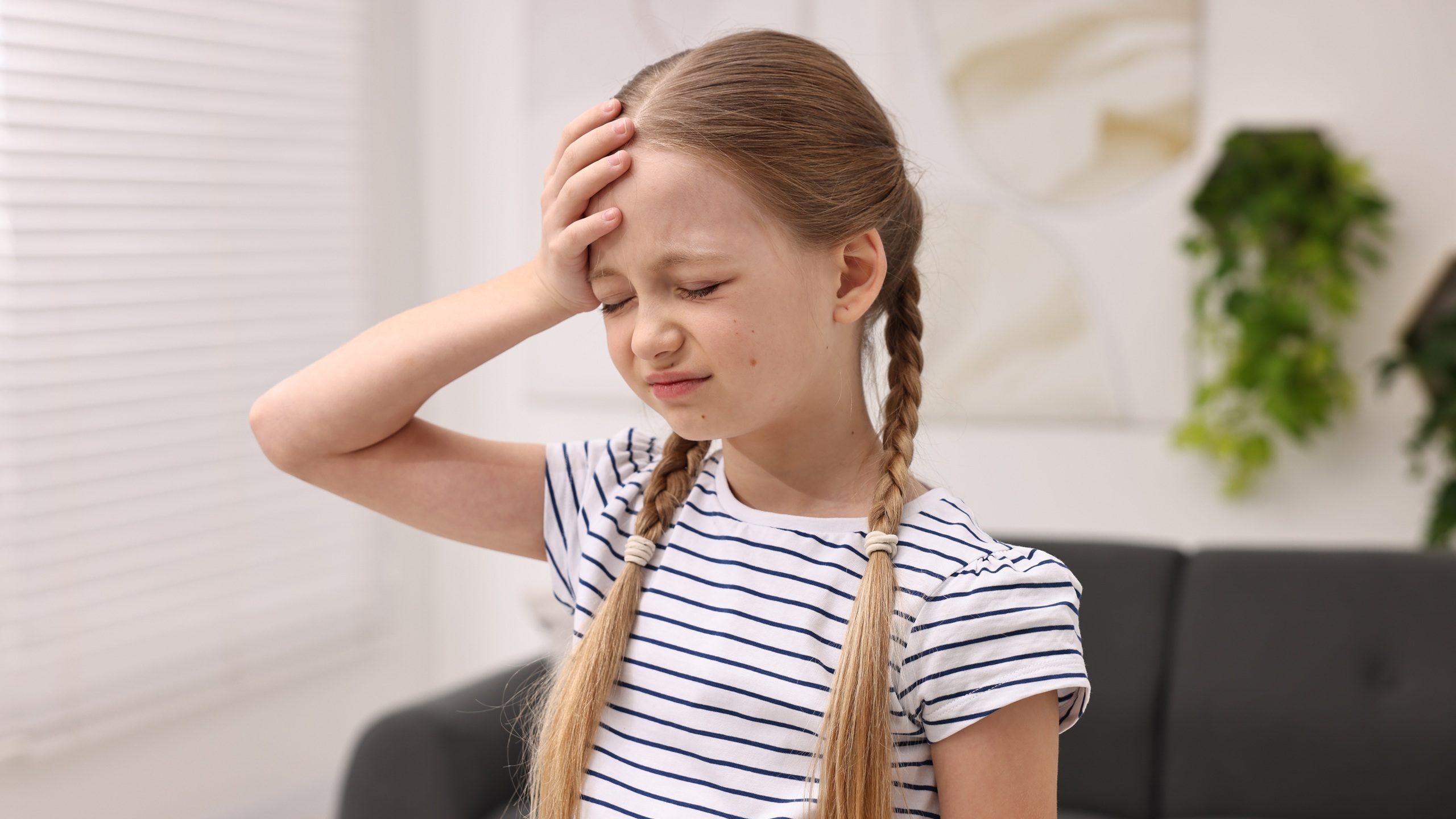
Kids experience pain emotionally through their bodies sometimes. If your child or teenager is depressed, they may visit the school nurse a lot or complain of chronic stomachaches, tension headaches, nausea, or achy muscles with no physical reason.
When doctors say they’re not physically ill, these recurrent pains may be their body’s response to stress, anxiety, and underlying depression.
Becoming an extreme perfectionist and overachiever

Depression isn’t always about failing grades or giving up. Sometimes depression can cause kids to behave in the complete opposite way. Children who feel intense shame or emptiness may try to compensate by being OCD perfectionists, fretting over straight As or overscheduling themselves with activities.
This form of high-functioning depression masks their inner pain with continuous achievement and validation, often leading to burnt-out kids on the brink of a collapse.
Taking minor criticism or rejection way too hard
Depression skews how adolescents interpret social interactions, causing them to be overly sensitive to criticism, even if it was not intended.
For example, a depressed child who is bottling up their feelings may respond with profound sadness, humiliation, or complete withdrawal if their friend doesn’t reply to a text right away, if they receive constructive criticism on a project at school, or if they are not included in a last-minute hangout.
They may go to extremes to avoid this fear of being hurt by withdrawing from their peers altogether.
Big changes in how much they eat or their weight
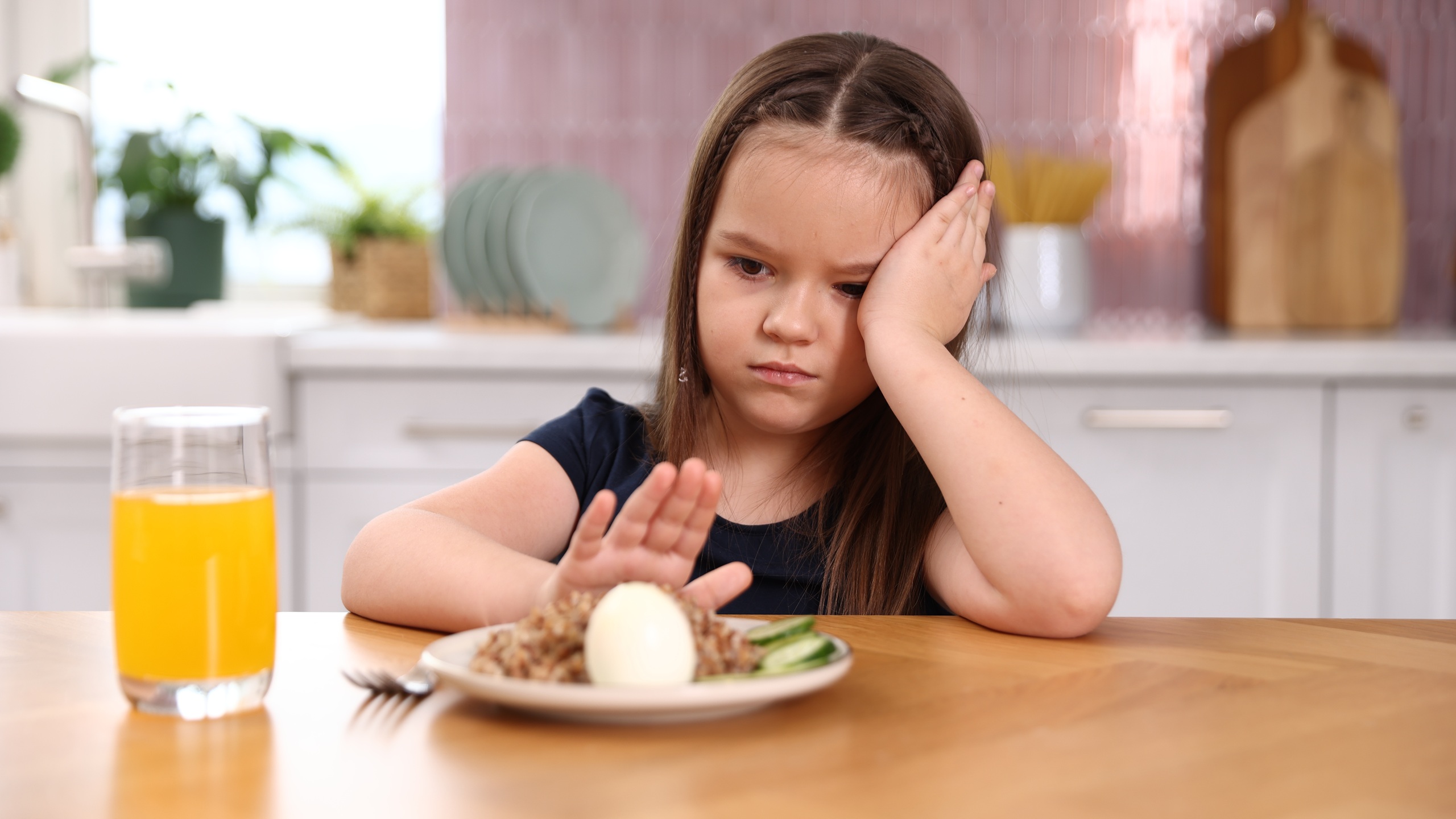
Changes in your child’s relationship with food are significant indicators that something isn’t right emotionally. Depression can make a child lose their appetite altogether. They may lose weight or stop eating meals that they used to enjoy.
Depression can also cause emotional overeating, particularly binging on junk food and sweets to soothe themselves or deal with feelings of emptiness.
Moving, talking, and thinking in slow motion
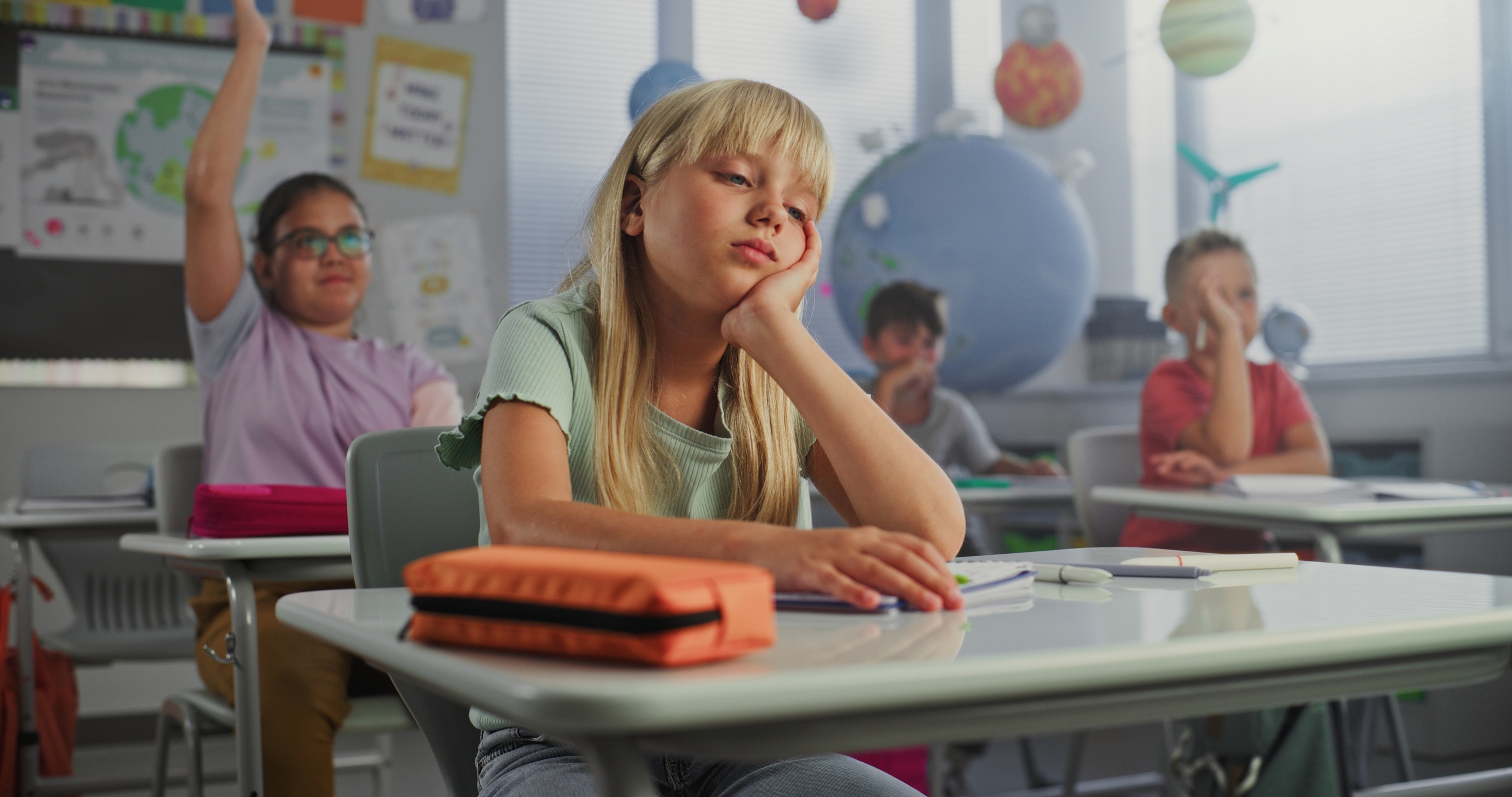
Depression physically weighs down the body and mind. Your child may move sluggishly as if they are underwater, may take forever to answer simple questions, drag their feet, or stare into space for minutes at a time.
It’s not laziness, bad behavior, or attitude. It is physically depressing for the brain to function when it feels so weighed down that everything requires twice the effort.
Completely losing interest in things they used to love
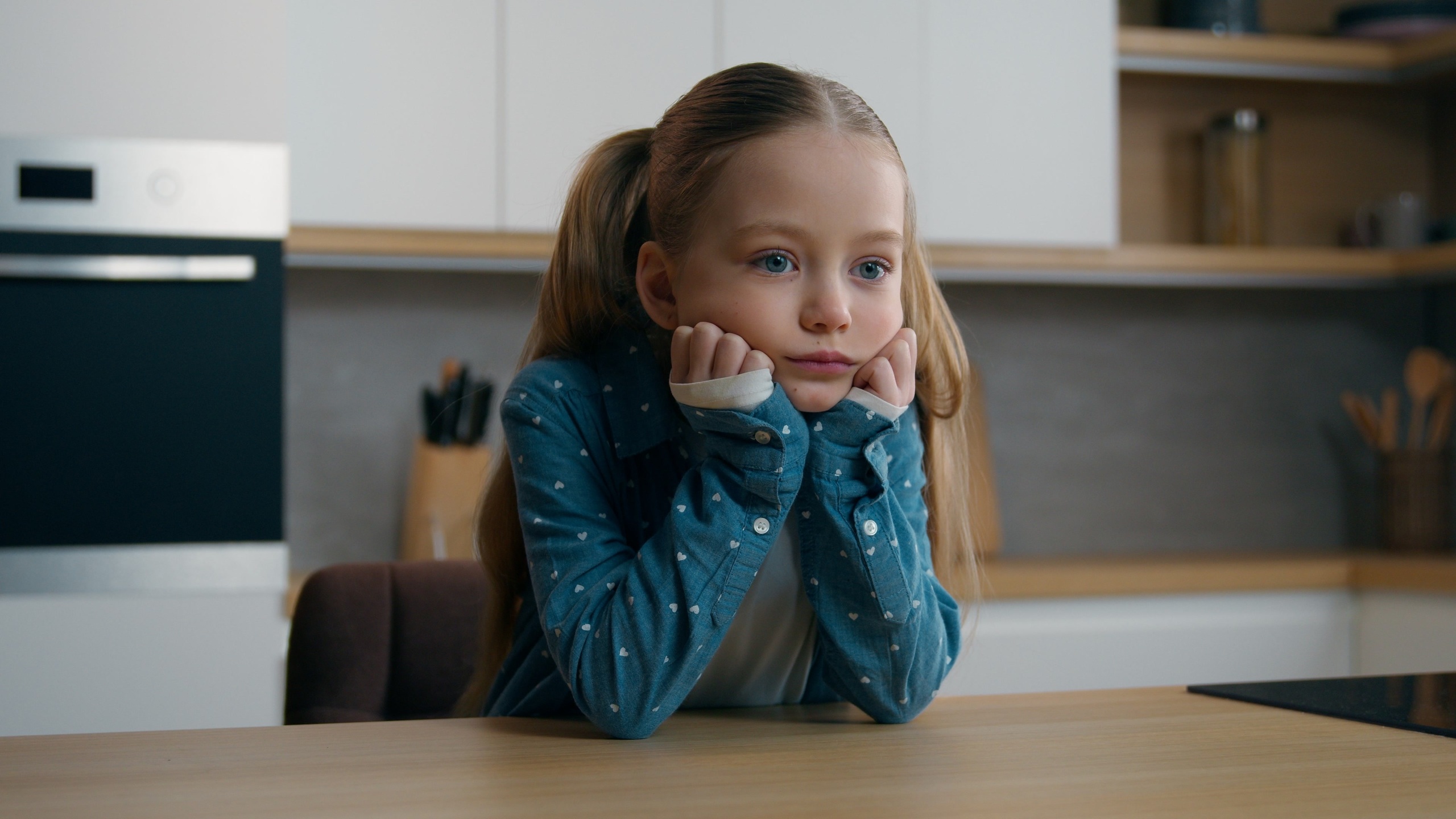
When kids lose interest in hobbies they once enjoyed, that’s a surefire sign of depression. This is very different from typical growing pains where they may outgrow a toy and take up a sport. With depression, there’s nothing taking its place.
They will quit a beloved sport abruptly, drop an art project, or stop wanting to play favorite games. Everything becomes an absolute void, and they describe life as boring or pointless.