

Parents and teachers mean well, but some familiar lessons can send children the wrong message without anyone realizing it.
You have to clear your plate

Telling children they must eat every last bite of food whether they’re full or not forces them to ignore their body’s signals of hunger and fullness. If clean plate victory becomes the goal of every meal, kids won’t learn how to moderate themselves and will instead develop unhealthy eating habits from a young age.
As adults, they will be conditioned to eat until their plate is clean or until a parent gives approval, rather than eating until they are full.
Boys shouldn’t cry
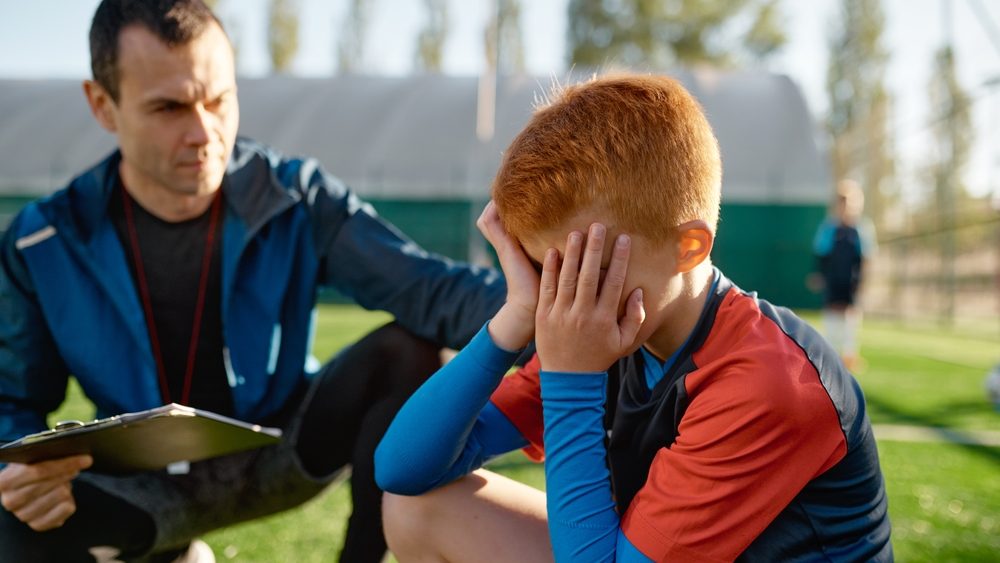
Comments like “be a man” and “big boys don’t cry” encourage boys to suppress feelings of sadness. Just because someone is strong emotionally doesn’t mean they never feel unhappy or sad.
Kids need to learn how to recognize emotions, discuss emotions appropriately, and how to cope with emotions in a healthy way that doesn’t harm themselves or others.
Respect adults unconditionally

When we teach children to be polite, teaching them to always follow instructions from someone older than them crosses the line. That tells kids that their body and intuition aren’t theirs to keep. It puts adults on a pedestal where children learn their feelings and safety don’t matter as much as an adult’s wants.
We empower predators when we teach our kids to always obey adults. Kids who are taught to never say no to another person, especially someone older than them, are far more likely to be taken advantage of, abused, and harmed.
Winning is everything
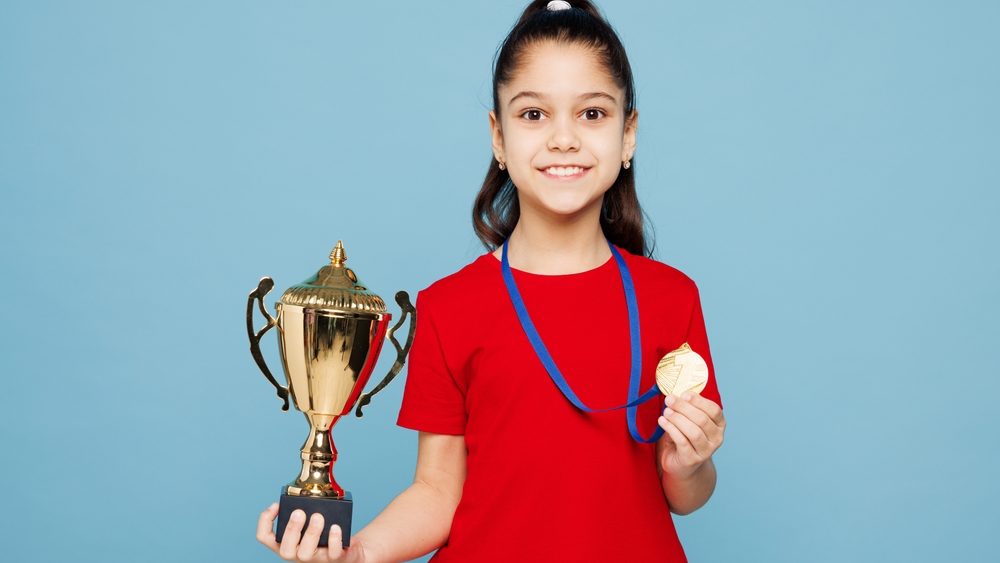
Obsessing over winning teaches kids that they are only as good as their performance and the number of trophies they amass. If all kids hear about is winning, then they grow up terrified of failure and will never participate or try anything where they could potentially lose. On the other hand, if you prevent kids from losing at all, they never learn how to cope with failure and become resilient.
Girls should always be nice and agreeable

It’s important to teach children kindness. Teaching girls they have to please everyone else is another matter entirely. Girls should not feel rude for standing up for themselves by disagreeing, saying no, maintaining personal boundaries, or voicing when something doesn’t feel right. Kids can be kind and taught that they do not owe everyone else their agreement and obedience.
Pain is a requirement for pride

Celebrating burnout, exhaustion, body pain, etc. in sports, schoolwork, or performing arts teaches kids to disregard their bodies’ most important signals. We are teaching them that ignoring your body’s needs is equivalent to being a “hard worker.”
Kids learn that they do not deserve rest time or that it’s lazy to take breaks. This practice creates a future adult who is filled with chronic physical injury, mental/emotional burnout, etc., because they always push through their healthy limits.
You need to decide your entire future early

Kids and teens are constantly being asked what they want to be when they grow up, what they’re going to study, what they want to do with their lives. Planning ahead is good, but sometimes those questions can lead kids to believe that they have to decide that one thing when they’re young and that will dictate their future.
Interests evolve, careers evolve, and adults end up doing things they wouldn’t have dreamed of when they were 15 years old.
Your worth depends on your grades
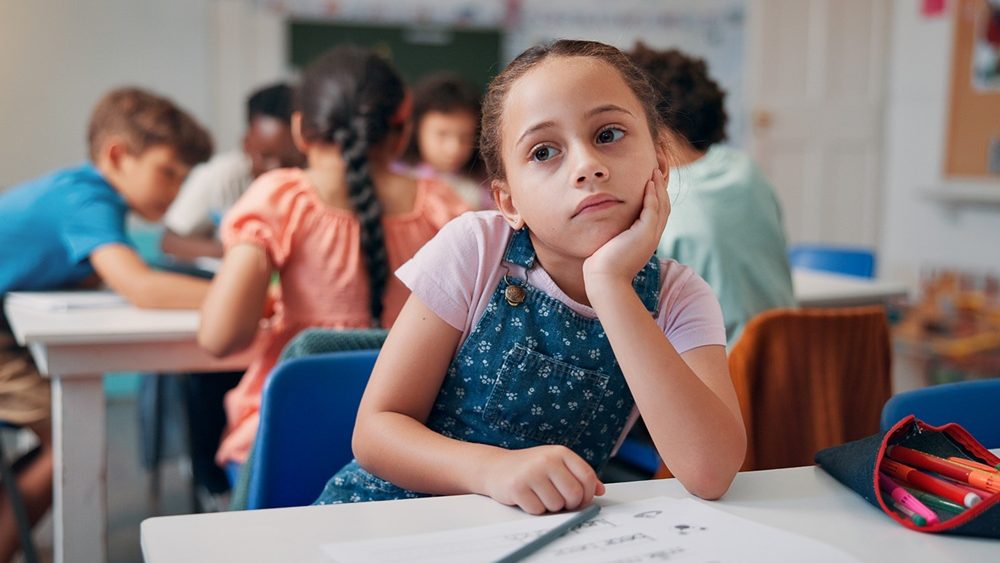
If you tell kids that you’ll only give them love, approval, or attention when they do well in school, they learn that their worth as a human being depends solely on their grades. This pressure contributes to debilitating academic anxiety, identity issues, and unhealthy perfectionism.
Then when those kids fail at school or graduate to a place in life where grades don’t matter, they feel worthless because no one ever showed up to teach them that they have value just by existing.
Keep the peace at all costs
Teaching kids to avoid conflict at all costs raises adults who are intense people pleasers who value everyone else’s happiness over speaking out against what is wrong or taking care of themselves.
They learn to ignore their own boundaries to let others treat them however they want and stay silent when they or others are wronged because they’re afraid to disturb the peace of those around them.
Girls do one thing and boys do another

Forcing kids into strict gender norms limits their growth, interests, and emotional intelligence. It promotes damaging ideas that humans are only capable of behaving and excelling in certain ways.
You’re telling boys that caregiving and emotionality are weak feminine traits, and girls that assertiveness, ambition, and strength are taboo masculine traits. Kids become shaped into who you want them to be instead of who they want to be based on their natural talents and interests.
Busyness equals importance

Scheduling your kids’ days from dawn to dusk with endless activities, competitive sports, and tutoring doesn’t allow any time for downtime, boredom, or even sleep. They learn that being productive is the only way to exist. It programs their nervous systems to always be doing. When kids don’t have time to think and create internal motivation, they become adults who feel extreme guilt when it’s time to rest.
Money and possessions prove you’re successful

Pricey phones, designer jeans, big homes and exotic vacations can become status symbols at a young age too. If kids hear adults judging others based on what they have, every chance they will pick up on that behavior too. Money is important when it comes to taking care of our needs, but material things don’t tell us if someone is kind, trustworthy, talented, responsible, or even happy.
If someone is mean to you, it means they like you
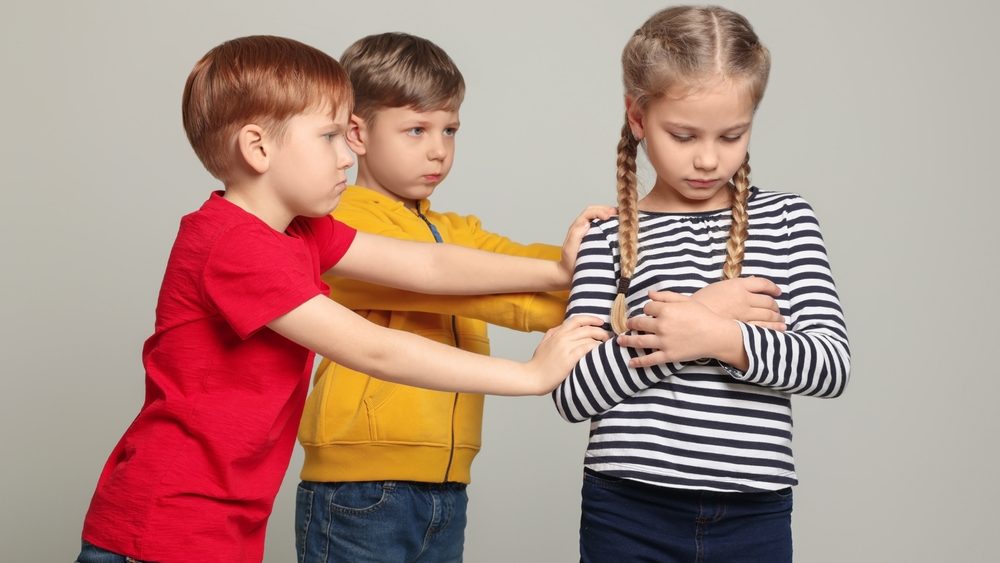
This classic playground excuse trains kids (mainly little girls) that abuse, forcefulness and disrespect are forms of love. It teaches children that it’s normal for humans to treat each other badly behind closed doors. As adults, they often become accepting of manipulative, bullying or abusive partners because they think that being mean is caring.