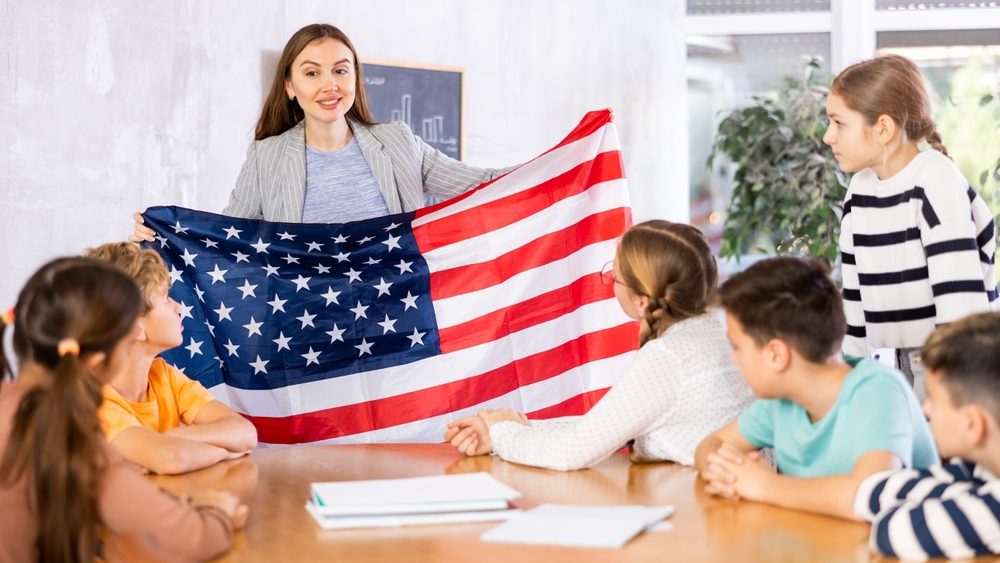

Depending on their state of residence, American students can learn some strange things in school.
Square dancing in physical education class
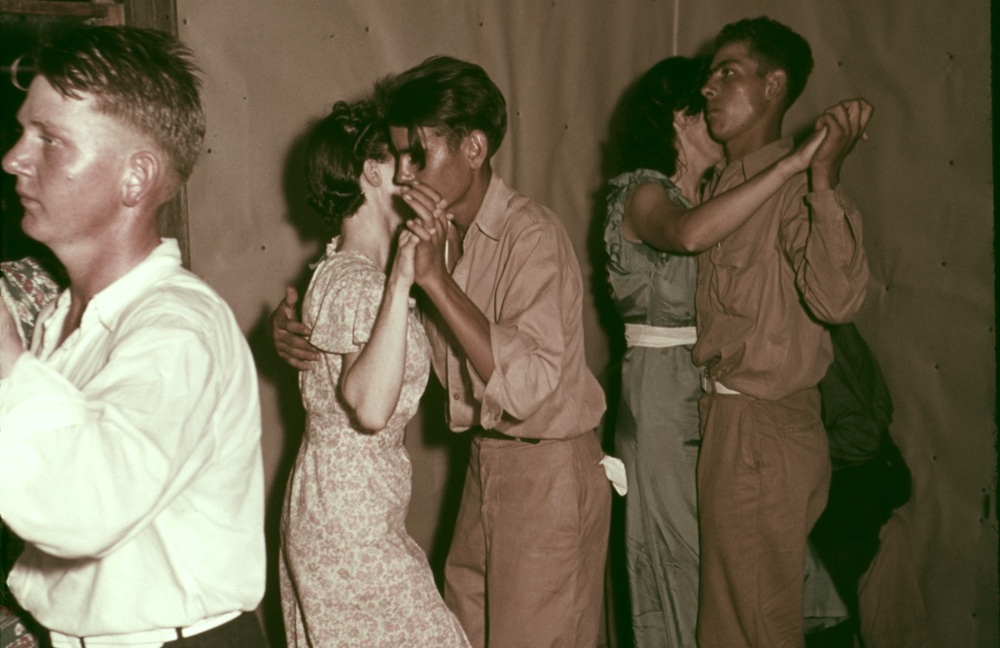
Square and mid-century folk dancing were required modules in state physical education curriculum for decades. Originating partially from mid-century efforts to instill students with a love of traditional Anglo-American social dancing, generations of awkward middle-schoolers were coerced into holding hands, “dos-i-dos,” and promenading to country fiddle music.
Active shooter and lockdown survival drills
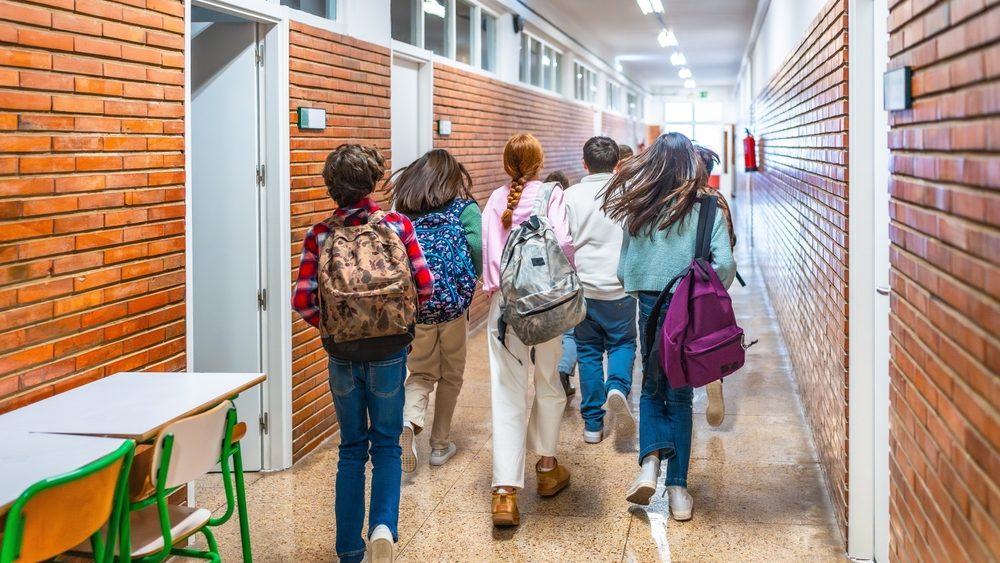
Instead of basic earthquake or fire drills, American students practice active shooter containment procedures from a very young age. Students are taught how to crouch silently in dark corners away from doors/windows, barricade classroom entryways, and remain completely silent until police give the all-clear.
The daily pledge of allegiance to the flag
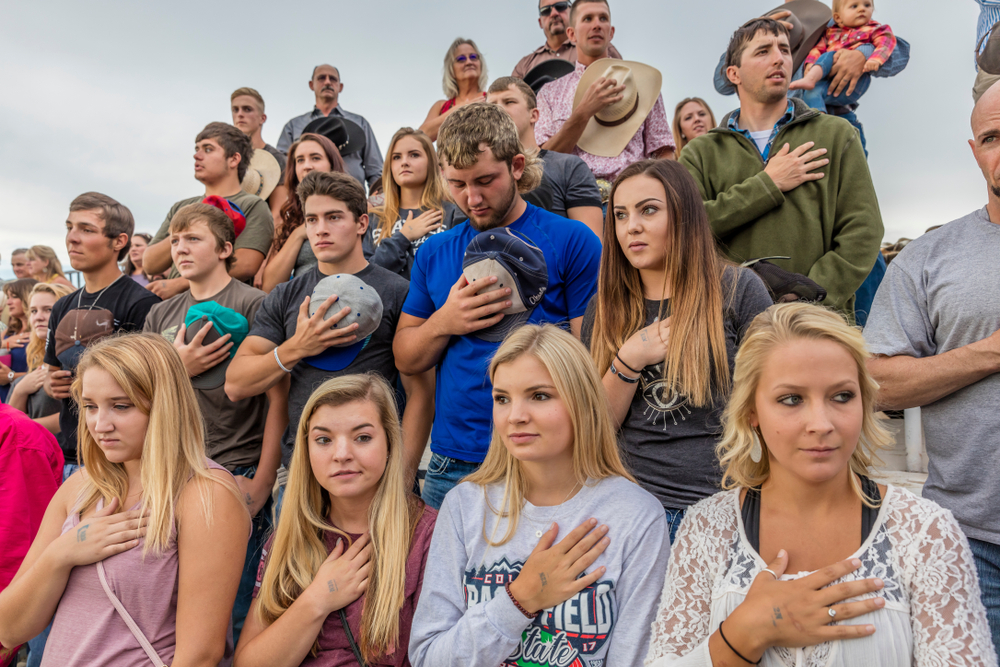
Millions of schoolchildren across America stand up each day and pledge allegiance to the flag with their right hand over their hearts. Strange though it may seem to outsiders from other democratic countries where mandatory patriotism isn’t forced down people’s throats, seeing little children recite a daily oath to a piece of cloth can feel like a scene out of a dystopia.
High school football plays
Across large portions of the American South and Midwest, high school football is almost a religion with billion-dollar stadiums and varsity coaches making six-figure incomes. PE classes, elective sport courses, and after-school athletic programs commonly instruct teenagers in hyper-complicated tactical playbooks, route running, and film analysis as standard curriculum.
Cursive handwriting
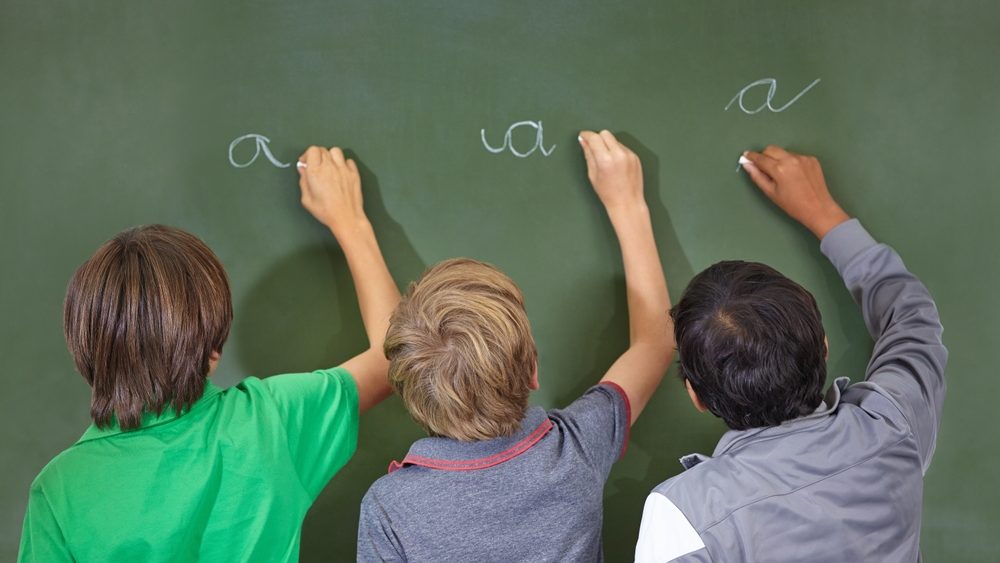
For decades, American elementary schools devoted countless hours drilling students on the elaborate loops and flourishes of cursive handwriting. After many states eliminated it with the adoption of computer-based standards, a few state legislatures recently mandated cursive make a comeback, and students are now switching between keyboarding code and 18th-century writing.
How to properly fold and care for the U.S. flag
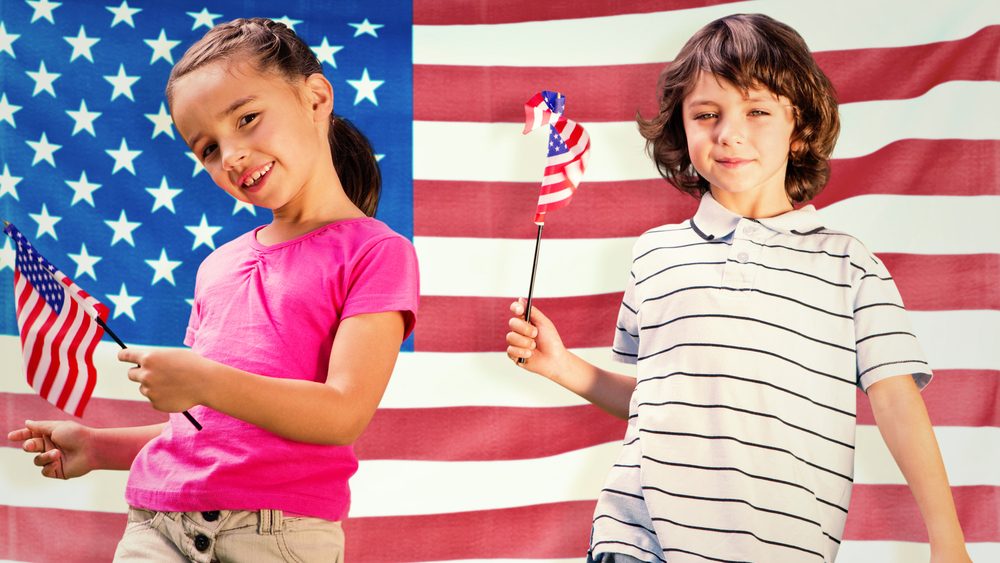
In addition to teaching students to say the Pledge, many American social studies classrooms and school civic groups instruct students on the official military manner of respecting the flag. Students learn how to properly fold the American flag into a 13- fold triangle, and they learn laws that prohibit allowing the flag fabric to touch the ground or leaving the flag displayed in darkness.
Driver’s education behind the wheel of a school car

In contrast to most other nations that only allow private commercial driving schools to provide driver training, many American public high schools teach complete driver’s education courses. Students learn rules of the road via classroom instruction and practice driving on public roadways in automobiles that are owned and serviced by the school district itself.
Abrupt, high-contrast historical narratives

History curricula are decided by state school boards, meaning that what children learn about American history differs drastically depending on which side of the state line they live on. In some states, students learn a heavily romanticized narrative of their state’s history, like Texas history being a required standalone class, while their neighbors might spend a lot of time digging into slavery, Indigenous displacement, and civil rights.
Mechanical assembly of plastic recorders
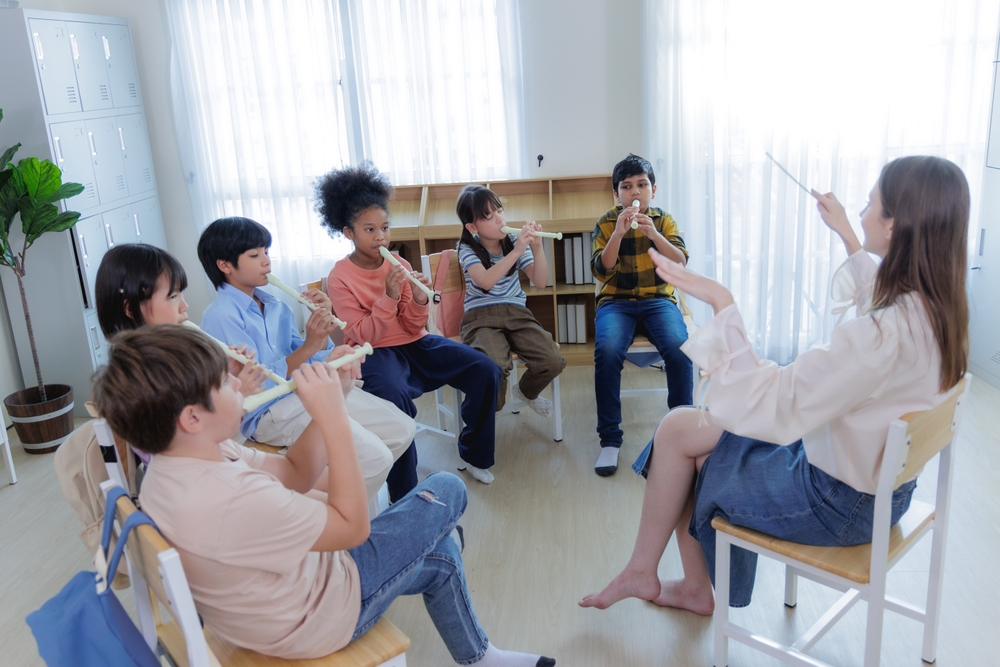
Almost every American kid who went to public elementary school shares the collective trauma of having to learn how to play the soprano recorder in music class. Schools purchase thousands of cheaply made plastic recorders, and music teachers nationwide are subjected to listening to hundreds of children play “Hot Cross Buns” at maximum volume for months on end.
Egg and flour baby care

Teenagers are taught adolescent responsibility and pregnancy prevention in health and family consumer science classes by giving them a 5-pound bag of flour or a raw egg to keep alive for a week. To further drive it home, some schools today use computer-programmable robotic babies that randomly cry throughout the night and monitor how gently students handle them.
State-mandated physical fitness testing
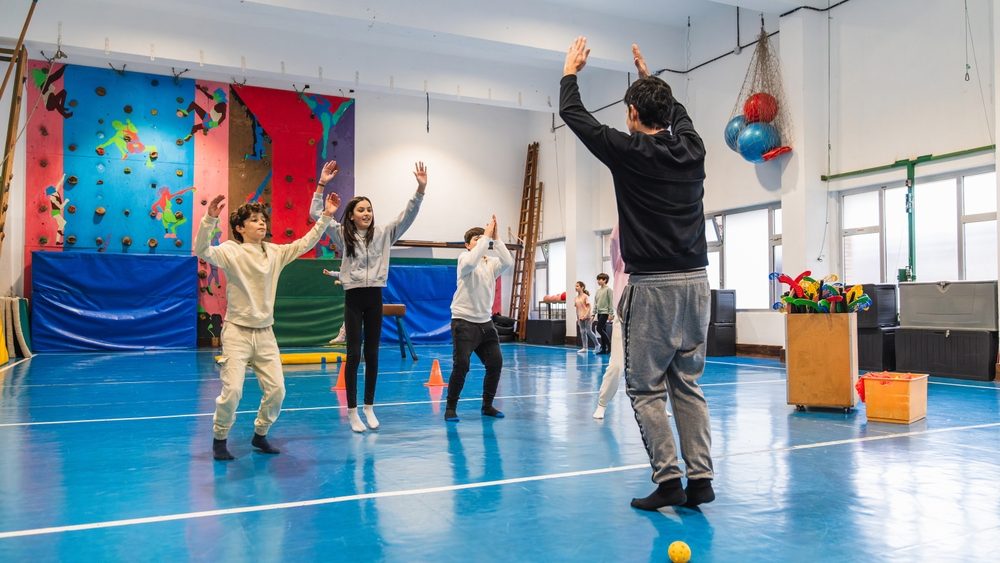
Millions of American children were once required to take part in the Presidential Physical Fitness Test. For years, students were put through embarrassing, public fitness tests in P.E. class. Children were graded on their performance on nationally standardized exercises such as the pull-up, sit-and-reach, flexed-arm hang, and shuttle run compared to the national average. Many less athletic children felt singled out and embarrassed in front of their classmates.
Frog and animal dissection

Traditional dissection is still taught in some middle and high schools across America. Students dissect frogs, fetal pigs, fish, or other types of preserved animals depending on their course load. There are more digital options available today. School and state policies differ on whether students can opt out of participation.
State geography memorization via catchy songs

Since the United States has 50 states, it’s common for elementary social studies teachers to teach children musical earworms about states and capitals. Entire generations of American children can recite all 50 states in alphabetical order just because they learned the specific song version of “Fifty Nifty United States” in third grade.
Abstinence-focused sex education
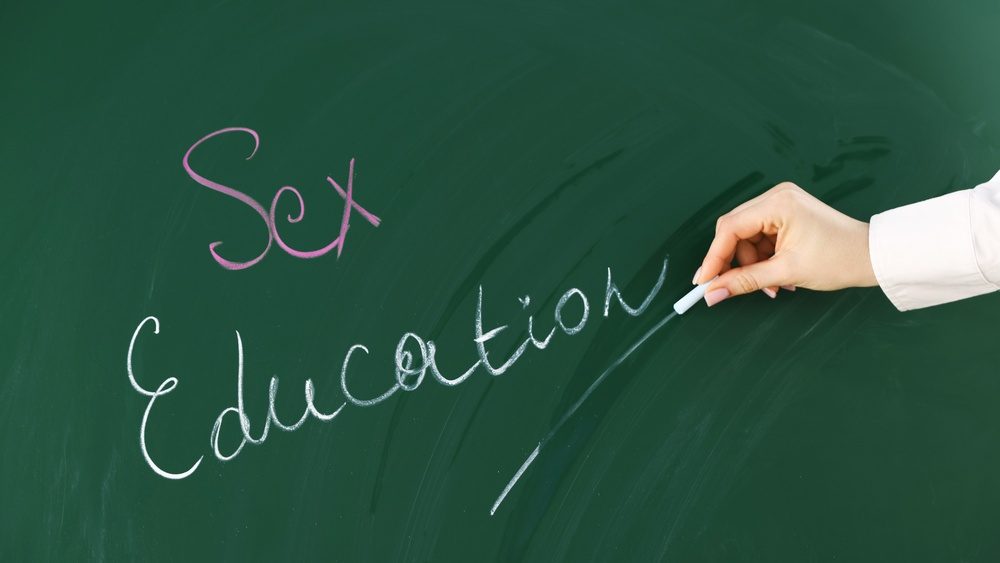
Sex education varies wildly from place to place within the United States. Some schools have detailed programs, but programs in some states or districts still focus on abstinence, especially abstaining from sexual activity until marriage. What your teen learns depends on where they go to school.
Sources: Please see here for a complete listing of all sources that were consulted in the preparation of this article.
- Abstinence and abstinence-only education – PMC – NIH
- Cursive handwriting instruction in the United States
- Why Every Kid in America Learns to Play the Recorder
- What’s Really Being Taught in U.S. History Classes
- What to Know About Driver’s Ed in High School
- Animals Used in Life Sciences Education
- A Classic Prep For Parenthood, But Is The Egg All It’s Cracked Up To Be?
- Pledge of Allegiance