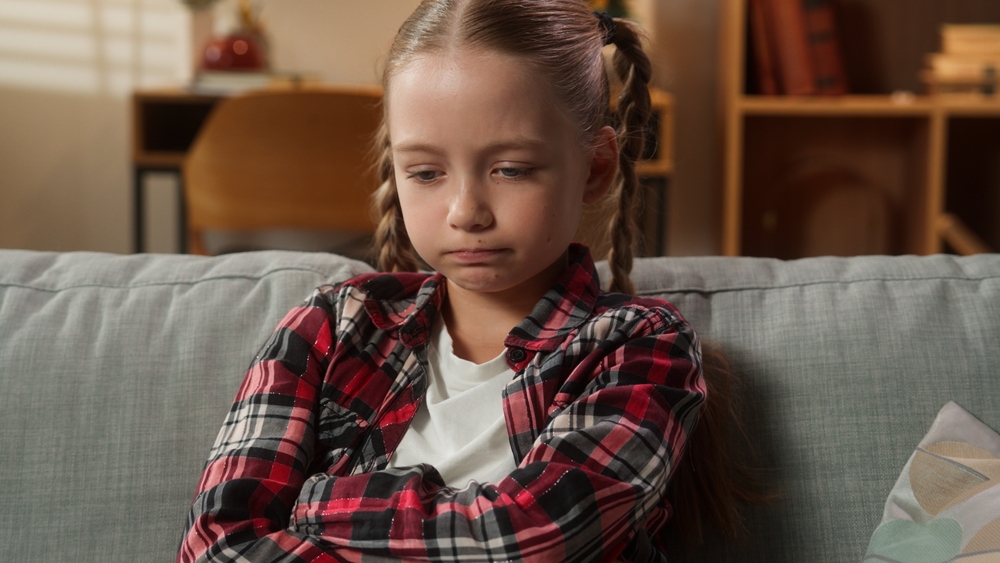

When children try hard not to cry, their bodies may reveal the emotions they’re working so hard to hide.
Their throat suddenly feels tight
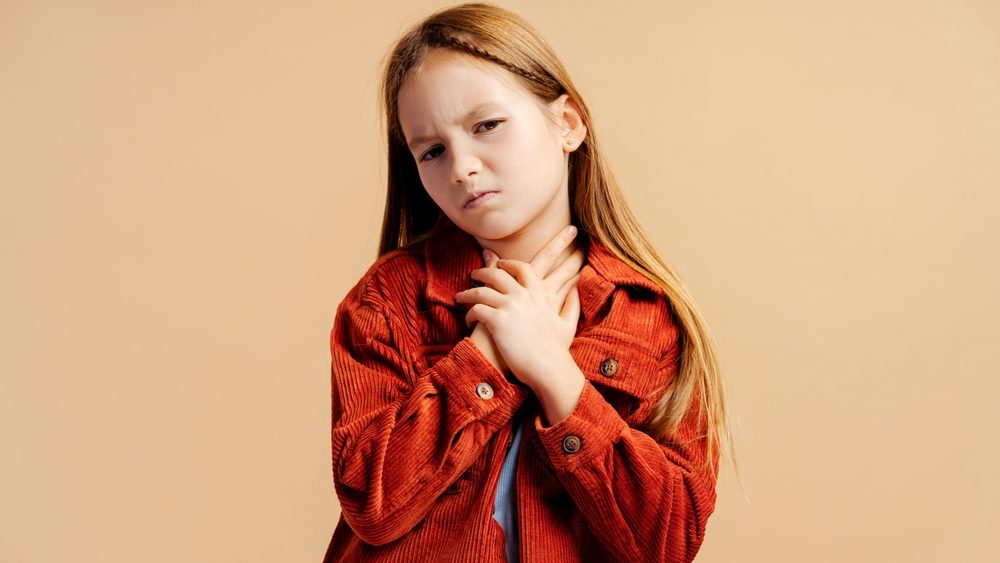
You might see your child swallow repeatedly or say there’s a “lump” in their throat. Intense emotions trigger your autonomic nervous system and impact your breathing and muscle tension, including in your throat. Trying not to cry can make your child unusually quiet. It may feel painful to talk.
Their breathing becomes uneven
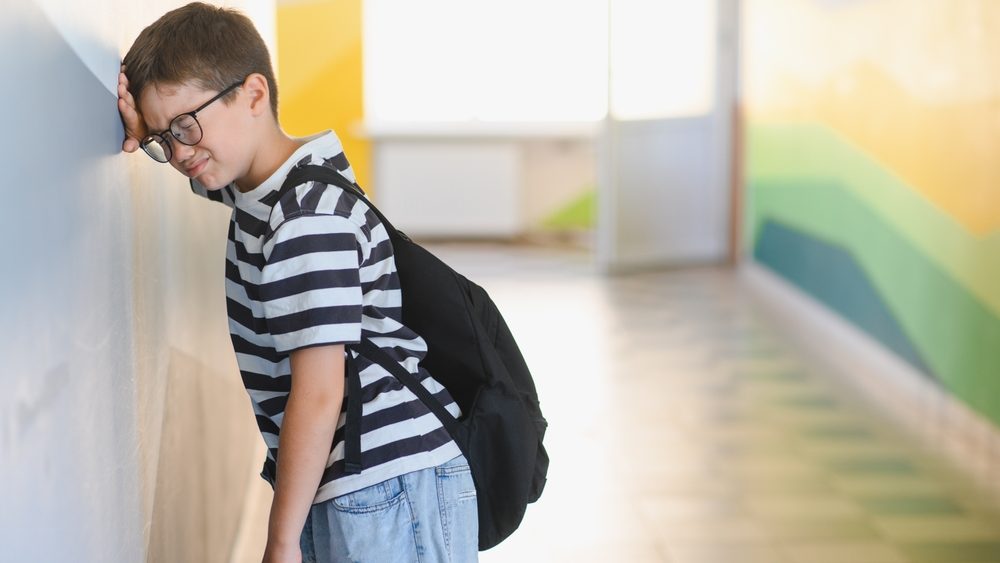
A child trying not to cry may begin breathing rapidly, taking shallow breaths, holding their breath for a few seconds, or taking a big gulp of air.
As crying releases emotional tension, when you feel upset, your body’s stress response kicks in and can alter your normal breathing. That’s why telling a child who is already worked up to “stop crying” won’t always have an instant effect.
Their lips and chin may tremble
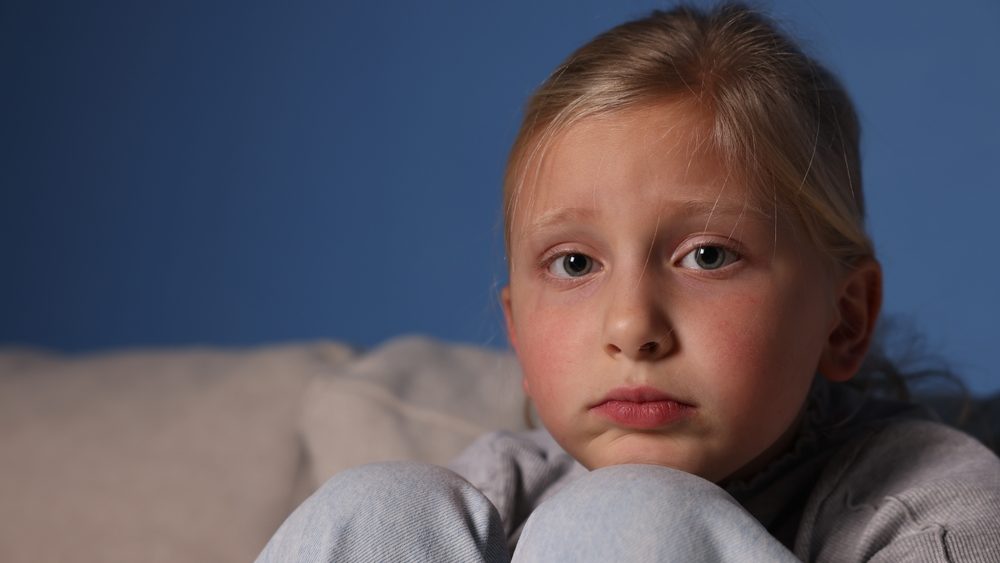
That familiar quivering chin doesn’t mean they’re trying to cry deliberately either. Sometimes when tension builds up from our emotions, the muscles in our face can twitch, causing small movements.
So a trembling chin can be one of the most obvious signs that they’re trying to hold it together before tears have formed.
Their eyes fill with tears anyway
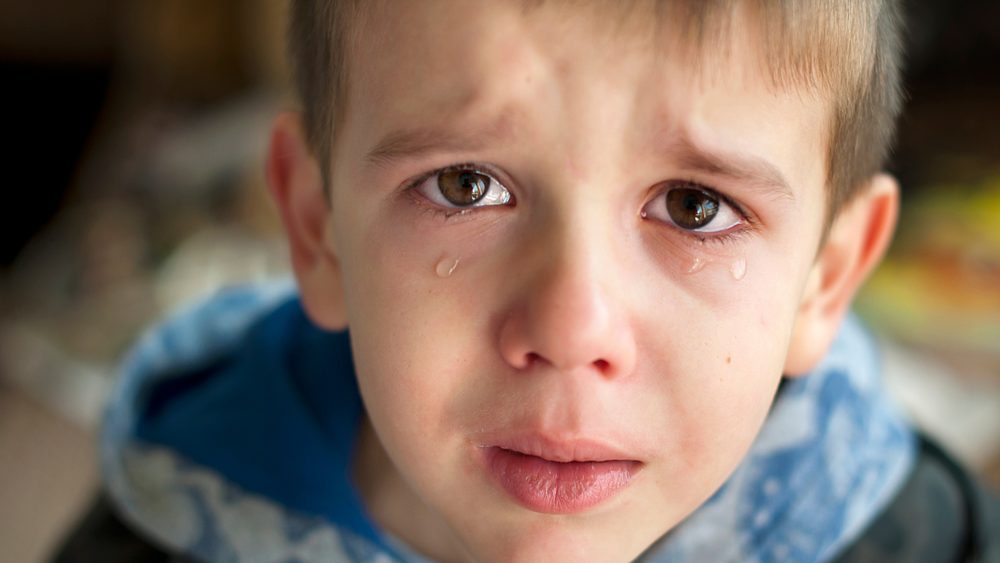
A child can choose not to cry, but they can’t choose not to produce tears like they can choose to move their hand or foot. Their eyes will water, redden, or gloss over even as they blink rapidly in an effort to hold back tears.
If you notice this occurring, know that the child may already be far more distressed than their words and actions are showing.
Their heart may start beating faster
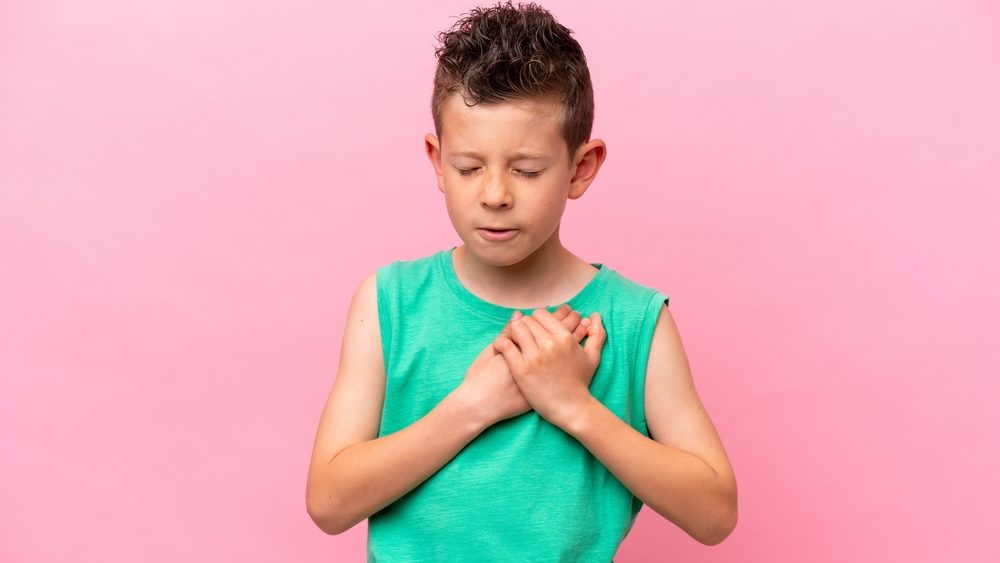
Intense sadness, fear, shame, or anger can trigger the stress response. Your child’s heart rate might rise, especially if he or she is additionally concerned about being punished, mocked, or scolded for crying. They may report that their heart is “pounding” or just that they feel weird.
Their muscles tense
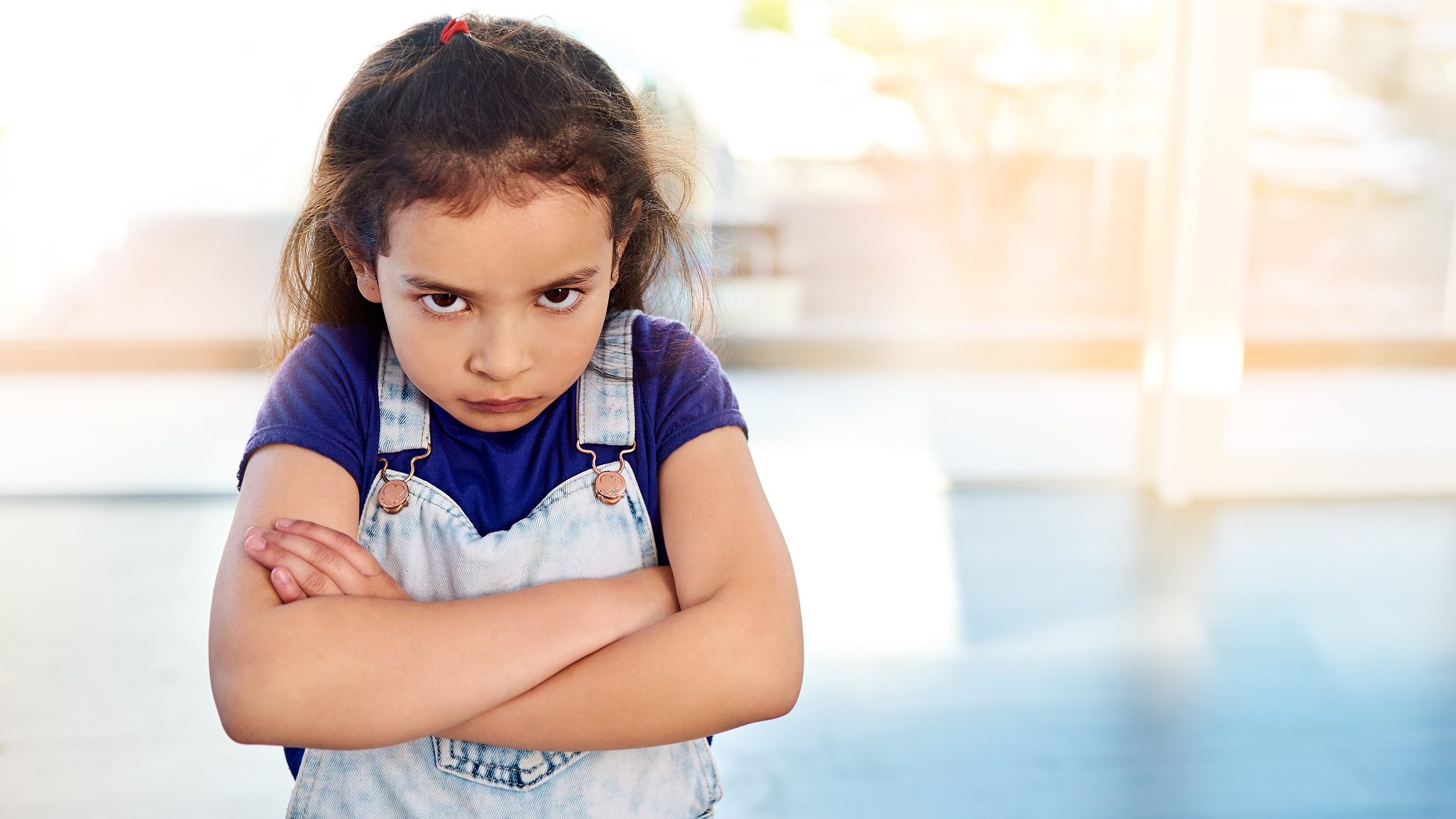
A child who is trying not to cry might clench their fists, raise their shoulders, tighten their jaw, cross their arms or straighten up. Sometimes bodies just tense up automatically when we experience an emotional release.
Sometimes what we think is defiance is actually a child trying to keep themselves together. So allow them a minute to compose themselves instead of insisting they explain themselves.
Their face may become red or flushed
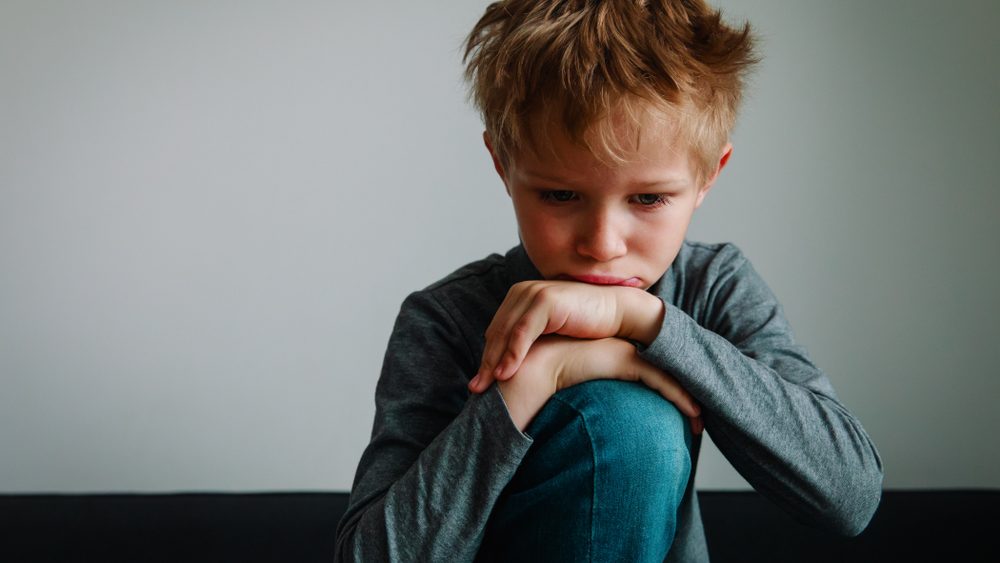
Intense feelings can impact circulation, causing the cheeks, ears, or whole face to turn red. This tends to get extra embarrassing when kids are trying not to show anyone that they’re upset.
Calling attention to it around others, “Look, you’re going to cry,” will only heighten their embarrassment.
Their stomach may start hurting
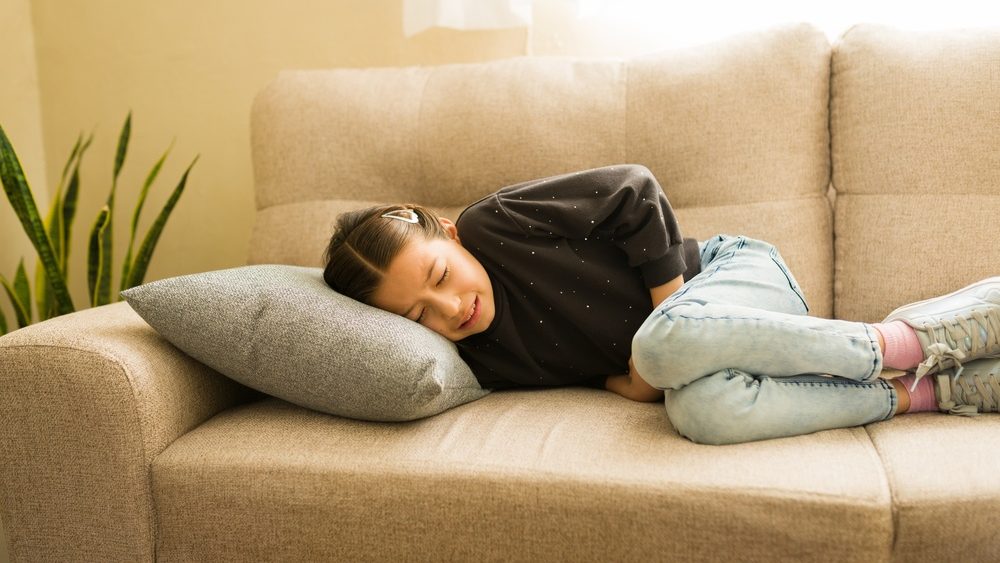
Emotions are very closely linked to your digestive system. Stress can cause feelings of nausea, butterflies, stomachache, or even the need to run to the bathroom.
Children especially often complain of stomach pain, as physical pain is much more identifiable to them than anxiety, or sadness, or feeling overwhelmed. That doesn’t make the pain any less real, though.
They may suddenly become angry instead
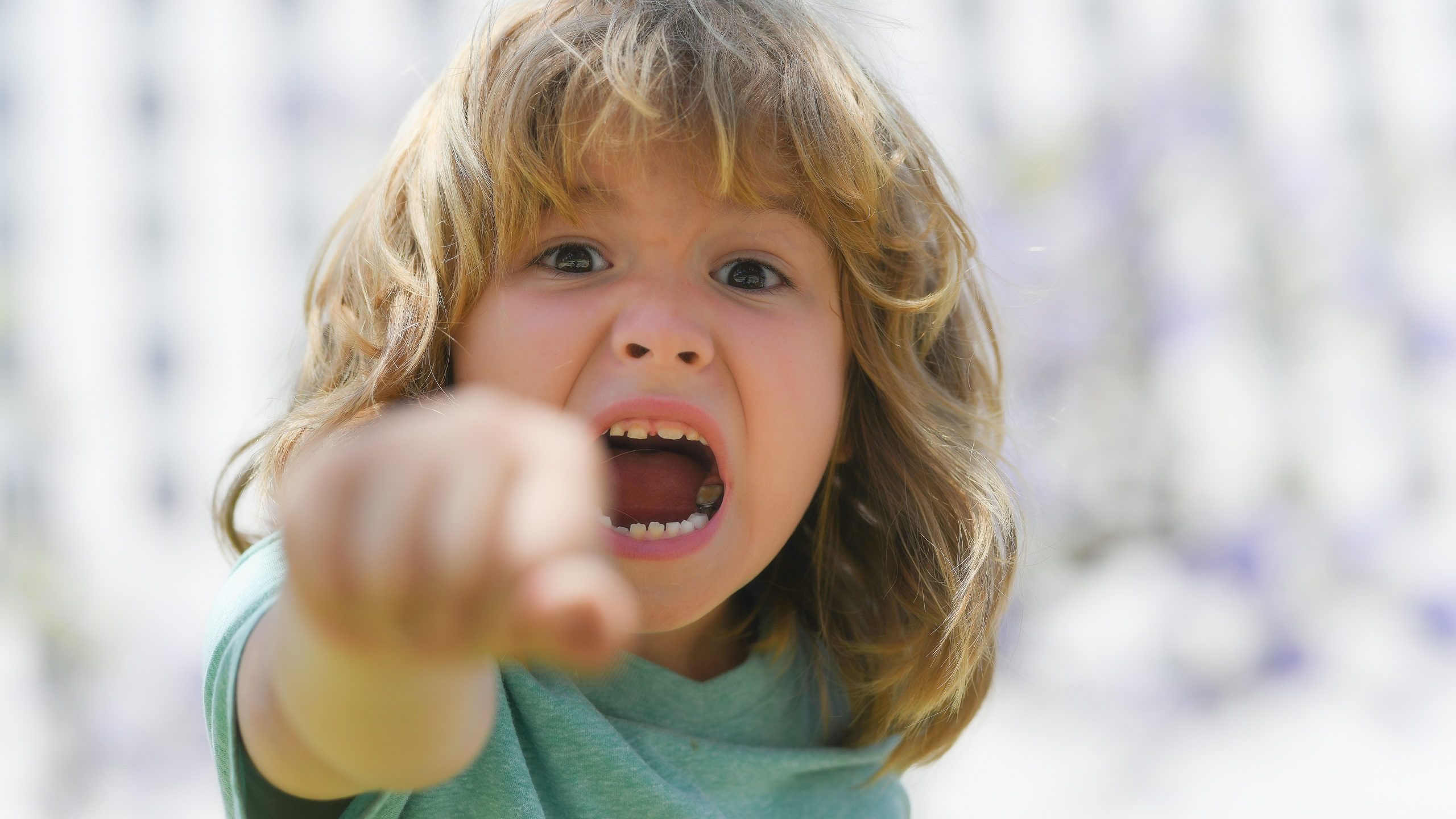
Not all unhappy children look glum. Sometimes when children don’t feel safe crying, anger may be expressed as irritability, yelling, snapping, or pushing others away.
Anger can also feel safer or less vulnerable than sadness. When frustrated by children’s behavior, it helps to remind yourself what occurred right before the outburst of anger.
They may develop a headache
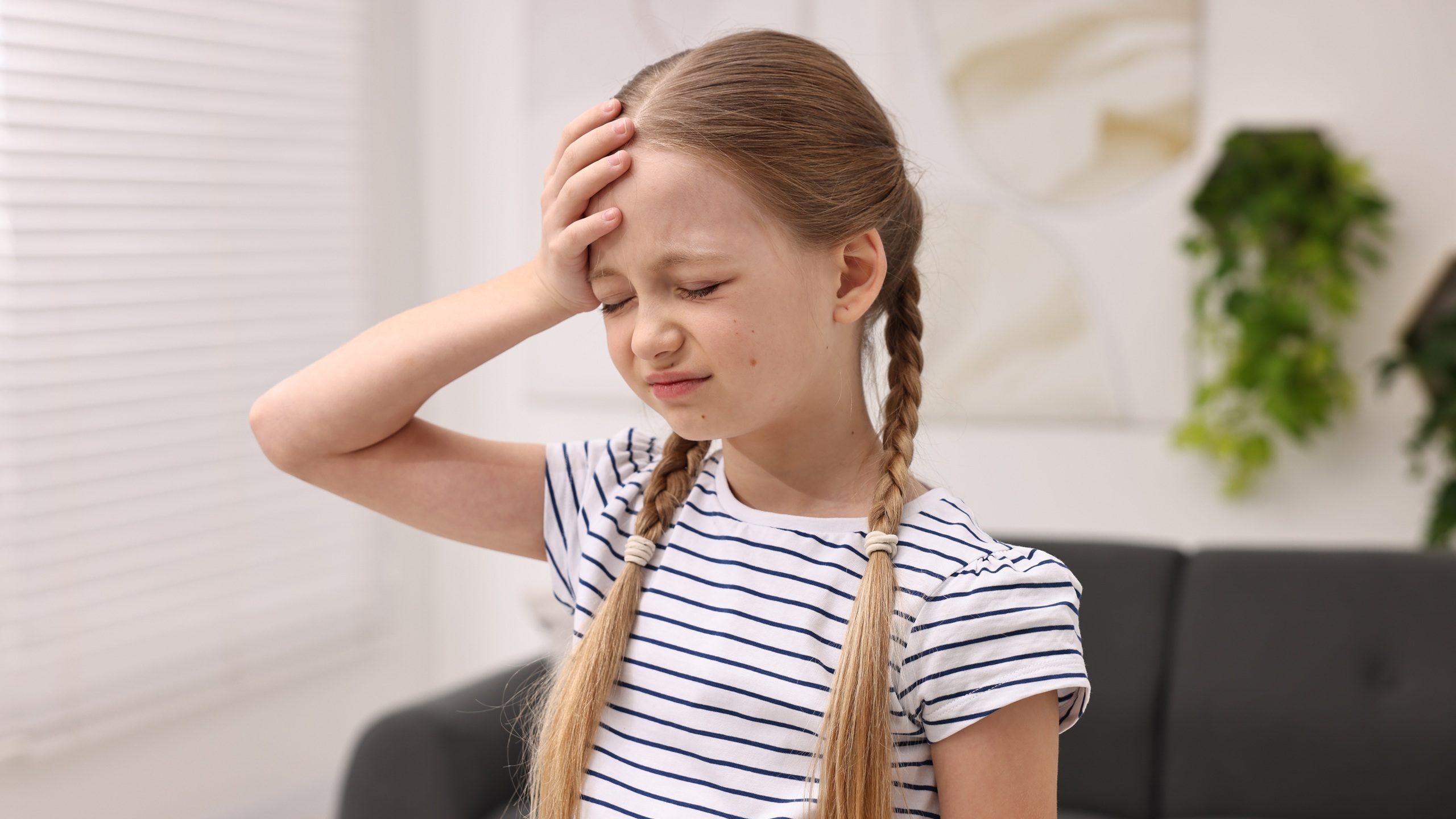
Powerful emotional stress can trigger or aggravate headaches, especially after a child has been tense for a long time. For example, a child who tries to hold back tears or sadness, anxiety, or anger all day at school may arrive home tired and grouchy, whining that their head hurts, without associating it with how they feel.