
Some baby names are unusual, some are unfortunate, and some have actually been rejected by law.
King – New Zealand
“King” certainly has a nice ring to it, but officials in New Zealand have refused to register it as a name several times. New Zealand law states that officials can decline names that are “too similar” to official titles or ranks when not accompanied by proper reasoning. King has infamously been denied 11 times in 2024 alone, becoming the country’s most rejected proposed name of that year.
Lucifer – Germany
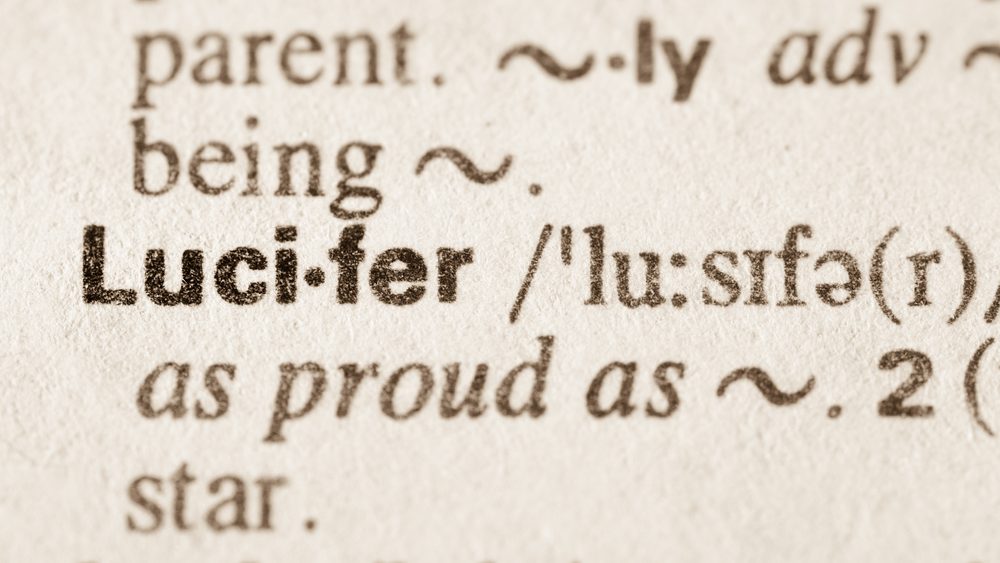
Germany has famously rejected Lucifer as a name multiple times. However, Germany doesn’t just operate off of one set banned list of names. Names can be declined if they might harm a child’s welfare in some way.
German officials felt so strongly about the name Lucifer that a court in Rostock upheld their decision to decline it. It was felt that Lucifer is very culturally tied to Satan and would not be in a child’s best interest to bestow that name.
Prince – New Zealand

If you want to give your child a name that sounds regal, you may come across the same issue with “Prince.” The name has consistently appeared on lists of refused names in New Zealand because it is considered to be a title as opposed to a first name. Prince was reportedly the nation’s most rejected proposed name in 2023.
Brfxxccxxmnpcccclllmmnprxvclmnckssqlbb11116 – Sweden
Yes, parents seriously suggested this one. In the 1990s, a Swedish couple submitted the bizarre 43-character monstrosity as part of a feud over the nation’s naming laws and argued that it should be pronounced: “Albin.” Officials refused. It wasn’t so much a quirky bid to give your baby a cute name as it was an effort to deliberately attack Sweden’s naming laws.
Nutella – France
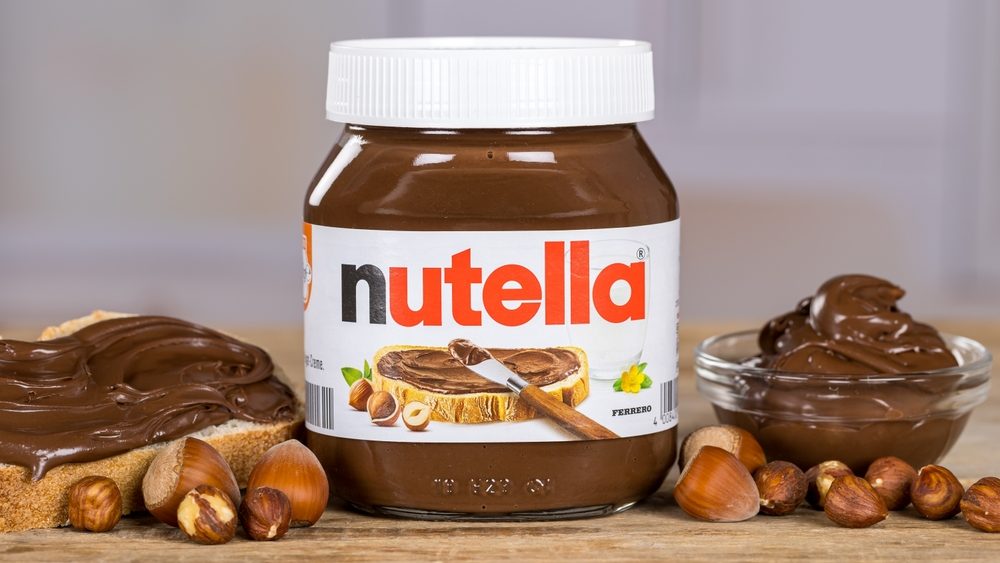
A French couple wanted to name their daughter “Nutella,” after the popular hazelnut and cocoa spread. The request was denied by a court, which worried that the name would cause the girl to be bullied. Instead, she was officially named Ella, which is decidedly less Nutella-y. This became one of the most high-profile cases of European authorities cracking down on an unconventional baby-name decision.
Fraise – France

Yet another French example saw parents wanting to name their daughter Fraise, which translates from French to mean “strawberry.” The French government can step in if they feel a name might go against the interest of the child, and this name was denied. It’s a perfect example of what parents may think is cute, but officials can see in a much different light.
Facebook – Mexico

Mexico’s state of Sonora recently gained international spotlight after placing limits on what names it deems offensive or embarrassing to children. Facebook was one of the more bizarre names on its banned list, according to reports. Names associated with fictional characters were also on the list, reported news sources.
Tom – Portugal

This one sounds completely ordinary, which is exactly what makes it interesting. Portugal actually used to have fairly specific regulations about registered first names.
“Tom,” if you count it as a nickname instead of a legitimate Portuguese given name, has been listed as one of the names that could not be registered as-is.
According to the Portuguese government, names should normally be Portuguese or have their spelling modified graphically and phonetically to conform to Portuguese, and there is documentation of names they will and will not accept.
Cyanide – the United Kingdom

A woman in Wales attempted to register the name Cyanide for her baby girl. She described it as a “pretty, lovely name” and claimed it was named after the poison that killed Adolf Hitler. The Court of Appeal banned the name, with an injunction saying registering Cyanide as her name would inflict psychological harm on her.
III – California, USA
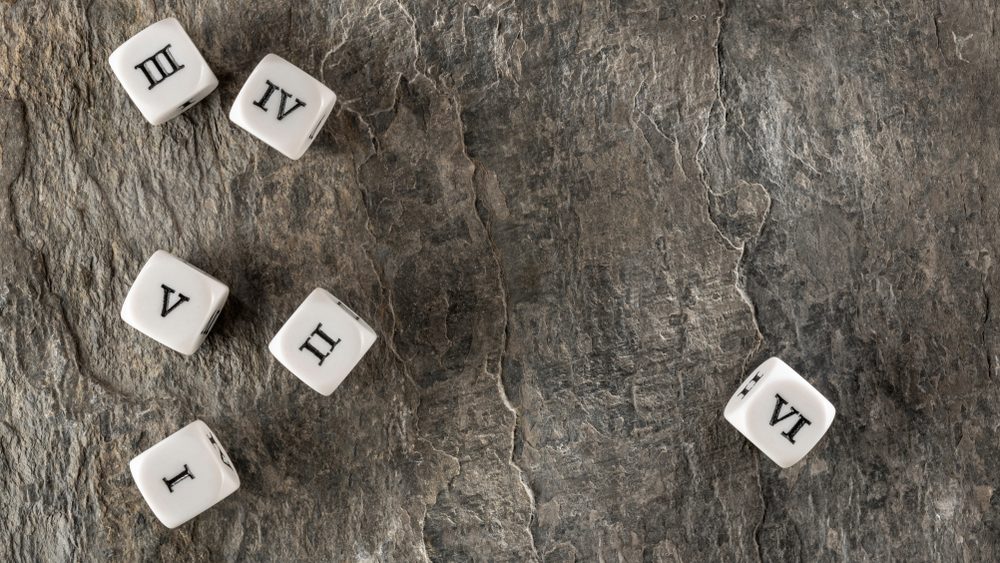
Although the United States tends to have very liberal naming laws when compared to European countries, there are some restrictions by state as to allowed characters.
For example, California law specifically states that only the 26 letters of the English alphabet are allowed in a name. Roman Numerals such as “III” (Three) or special symbols are expressly forbidden on a state birth certificate.
5 names that should be illegal
Karen

There’s nothing wrong with the name Karen. It was one of the most popular names of the mid-1900s, and countless millions of women are named Karen. But thanks to online culture, “Karen” has become a slang term for an entitled/assertive/demanding woman. Now a completely ordinary first name has become burdened with a stereotype that its owners didn’t sign up for.
Hashtag
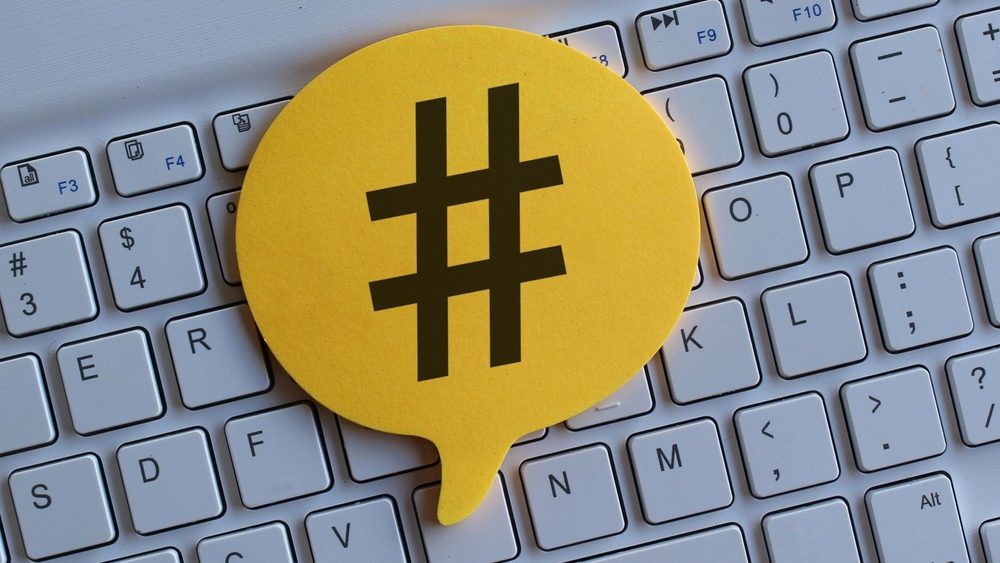
“Hashtag” became popular recently when it was reported that parents actually used the word as a baby girl’s name. Aside from whatever feelings you have about unique names like that, naming your child after something Internet-related presents one glaring issue: technology becomes obsolete insanely fast.
Baby

It’s honestly adorable when they’re six months old, but slightly unsettling when they’re turning 46 and introducing themselves across a conference room table. The ultimate test of any unconventional baby name is imagining not just what that name would sound like on an adorable baby, but on a teenager, a working adult, and finally as an 80-year-old.
Abcde

Pronounced “AB- si-dee”, Abcde contains the first five letters of the alphabet, in order. While it is legally permissible in the United States and has been bestowed upon hundreds of children in the last twenty years, it looks less like a carefully chosen name and more like a placeholder someone forgot to replace before submitting the birth certificate.
Gaylord
Gaylord is not a made-up male name. It is both a first name and a last name that has been used for many years. Derived from an old French name, Gaylord did not originally have the connotations that English speakers associate with it today. However, it now has the potential to single a child out for ridicule like no other name.
Like our content? Be sure to follow us.