

The hour before bedtime matters, and these common mistakes can make it harder for children to get the sleep they need.
Consume sugary foods or caffeine
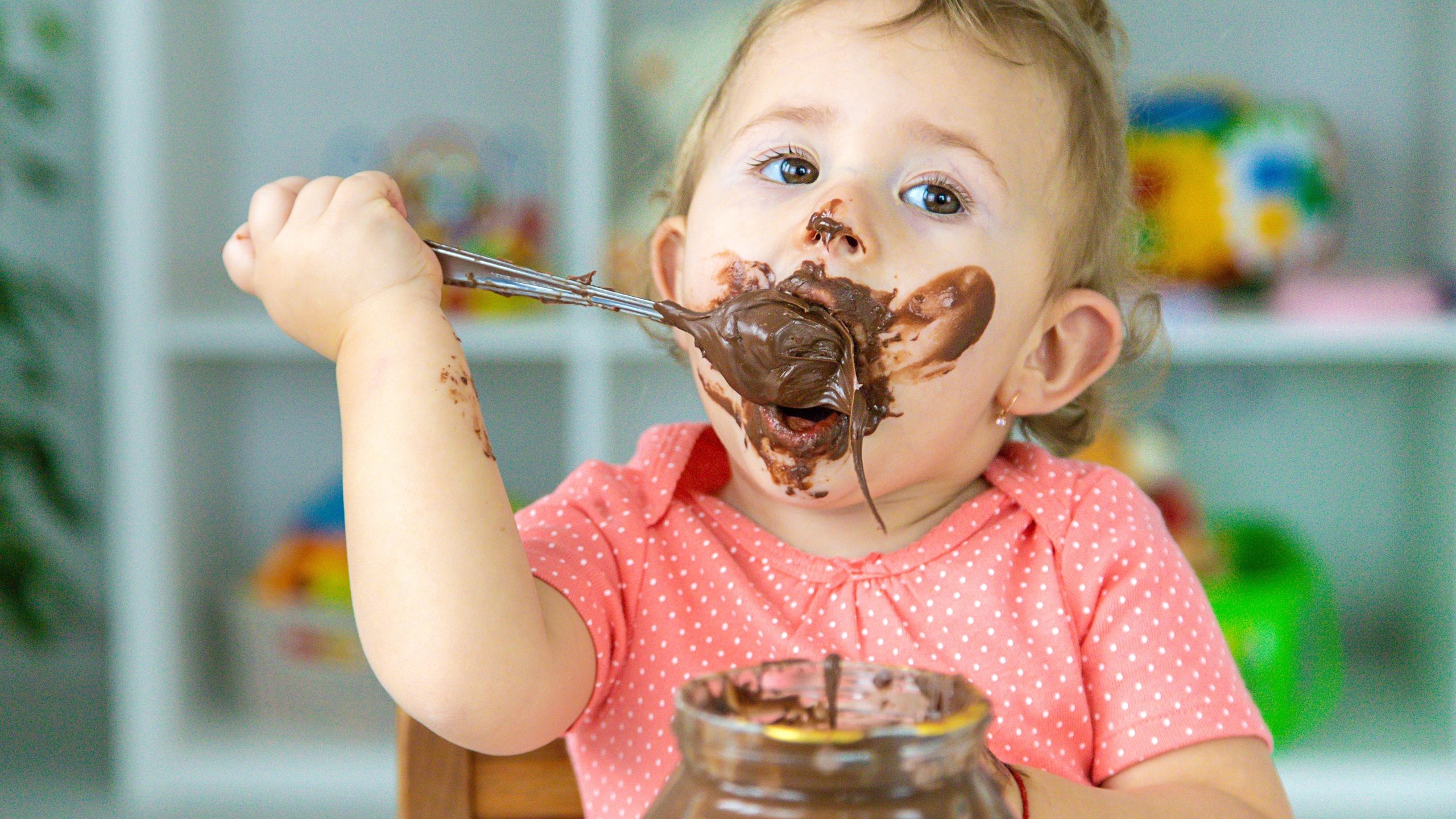
Sugary snacks, chocolate, or sodas late at night cause a rapid rise in blood sugar levels, and then an inevitable crash. This blood sugar roller coaster sends adrenaline and cortisol rushing through your child’s body, causing their body to be extremely revved up. It makes it very difficult for your child’s body to relax into a sleepy state.
Caffeine (found in soda, iced tea and even chocolate) can remain in your child’s system for up to six hours, interfering with the brain’s sleepy signals.
Use screens or watch TV
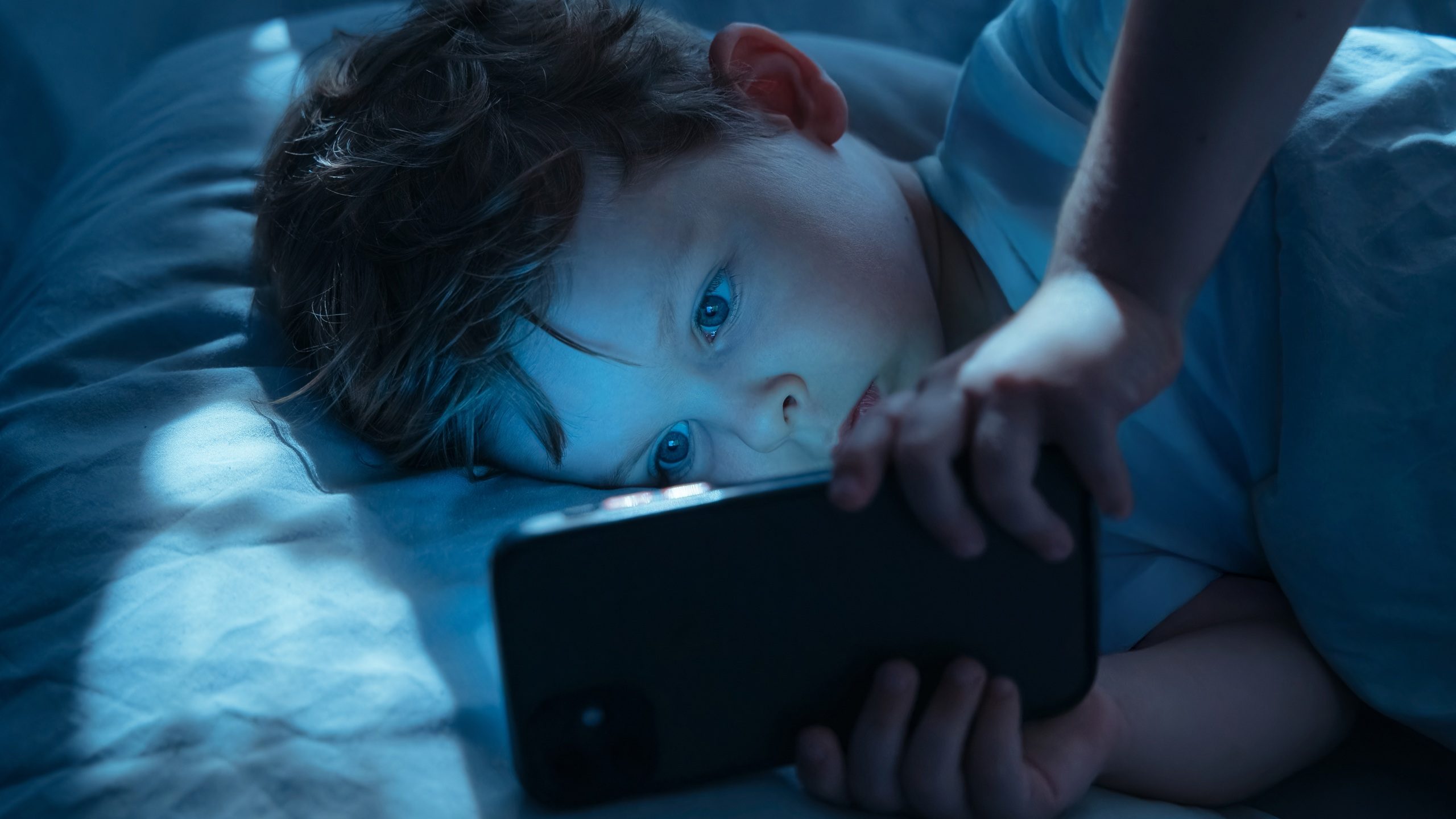
The blue light that is produced by smartphones, tablets, TVs and gaming devices reduces the brain’s secretion of melatonin. This is the hormone that tells your body that it is time to sleep.
Screen time also includes fast-moving images and two-way stimulation that overstimulate a child’s immature central nervous system. Pediatricians recommend turning off ALL screens at least one hour, better yet two, before bedtime.
Engage in high-intensity physical play
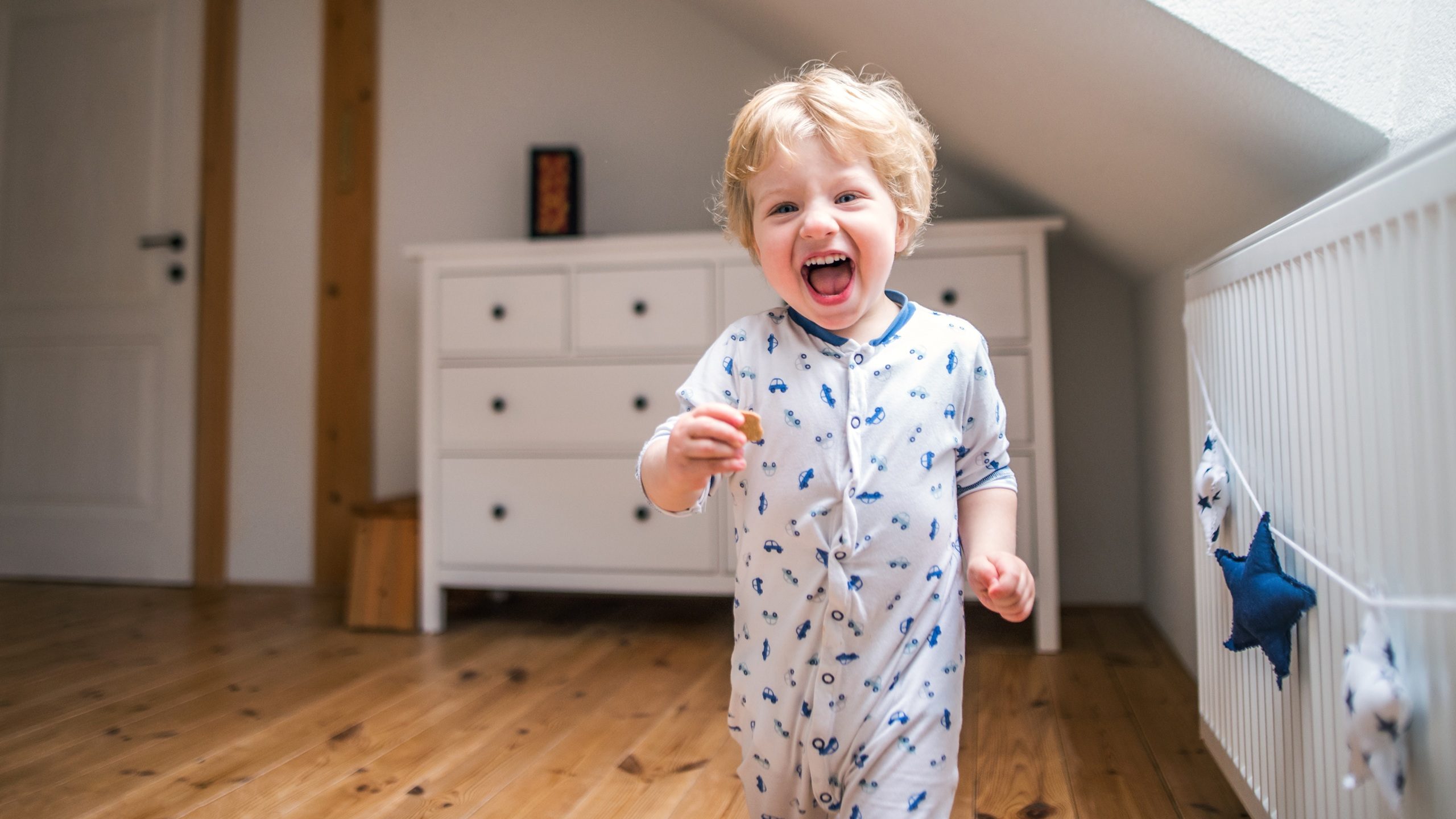
Although exercise throughout the day helps children sleep soundly, bouncing on trampolines or engaging in active indoor games before bedtime stimulates your child’s metabolism when it should be winding down.
Exercise produces heat, increases heart rate, and releases endorphins. For your child to fall asleep, his or her core body temperature must decrease.
Do heavy homework or complex problem-solving

Homework, cramming, or trying to solve challenging problems right before bed can put our brains into cognitive overload and anxiety.
Trying to force your child to do hard math problems or stressful homework before bed can keep their brain engaged in problem-solving mode when it should be shutting down. Aim to complete school-related work earlier in the evening.
Consume large meals or excessive fluids

Eating a large, fatty meal immediately before bedtime means digestive juices are actively working while your child is trying to sleep. Additionally, children may experience heartburn or stomachaches when lying down after eating too much.
Alternatively, drinking excessive amounts of water, milk, or juice before bedtime means your child will undoubtedly wake up during the night to use the bathroom or experience a bedwetting episode that disrupts sleep cycles.
Watch or read scary or intense media

Kids have active imaginations. Their understanding of fantasy vs. reality becomes blurred when they are tired. Viewing violent news reports, scary movies, or suspenseful stories before bedtime can increase emotional stimulation and anxiety.
They experience fears of the dark, trouble falling asleep without a parent nearby, or chronic nightmares.
Have emotional discussions or serious discipline

Bedtime is not the appropriate time to discipline your child for something that happened earlier in the day, administer consequences, or have intense family discussions. Doing these things raises your child’s cortisol levels and makes them feel unsafe or emotionally distressed while trying to sleep in the dark.
Wait to have any discipline or serious discussions until earlier in the day so that bedtime can be your child’s calm, safe wind-down time.
Take long or excessively hot baths

Although soaking in a nice warm bath can be an excellent addition to a bedtime routine, taking an excessively long and extremely hot bath immediately before bed can have the opposite effect.
Immersion in hot water causes the core body temperature to spike. This causes problems when children want to fall asleep because the body struggles to lower its temperature to the optimal sleeping temperature.
Spend time in bright, overhead light
Bright indoor light fools your child’s circadian rhythm into thinking it is still daytime. This bright light can stall melatonin production. Avoid turning off overhead lights, bright bathroom lights or hallway lamps until ready for bed.
Bright lights keep your child’s nervous system aroused. Turn down the lights in the whole house one hour before bed.
Skip their predictable wind-down routine

Kids love structure and their nervous systems crave cues when it’s time to wake up and go to sleep. When we skip a calm routine like putting on pajamas, brushing teeth and reading a peaceful book, we are creating chaos.
Your child’s body clock gets mixed signals about when it needs to shut down for the night. If your bedtime routine is rushed and stressful, your child will resist more and experience anxiety.
Sources: Please see here for a complete listing of all sources that were consulted in the preparation of this article.