

Every parent wants to believe their child is kind, but sometimes difficult behaviors can go unnoticed.
She excludes others on purpose

It’s normal for kids to have one or two best friends. But if your daughter consistently ostracizes classmates to make them feel unwanted or unwelcome, that crosses the line. Whether she leaves them out of games at recess, birthday celebrations, lunch spots, or group chats to punish them or elevate her standing, it’s relational bullying.
She enjoys gossip
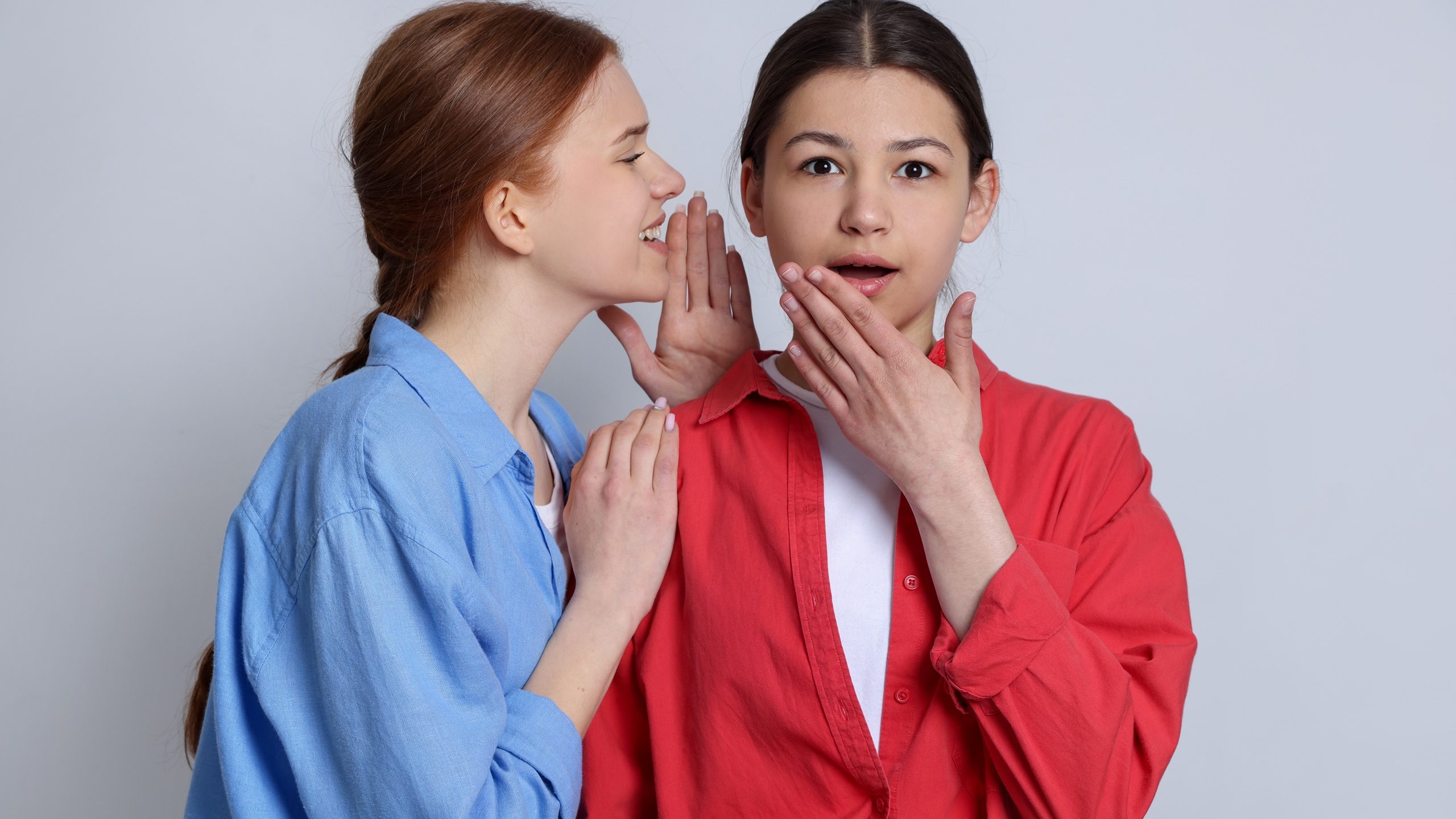
Sharing information about others can indicate a desire for power. Does your daughter like to talk about everyone else’s business? If she spreads rumors, or tells secrets that were shared with her privately, she may be attempting to manipulate others through gossip. Tattling or sharing partially true stories to embarrass someone else can ruin friendships and reputation.
She makes fun of other people’s appearance
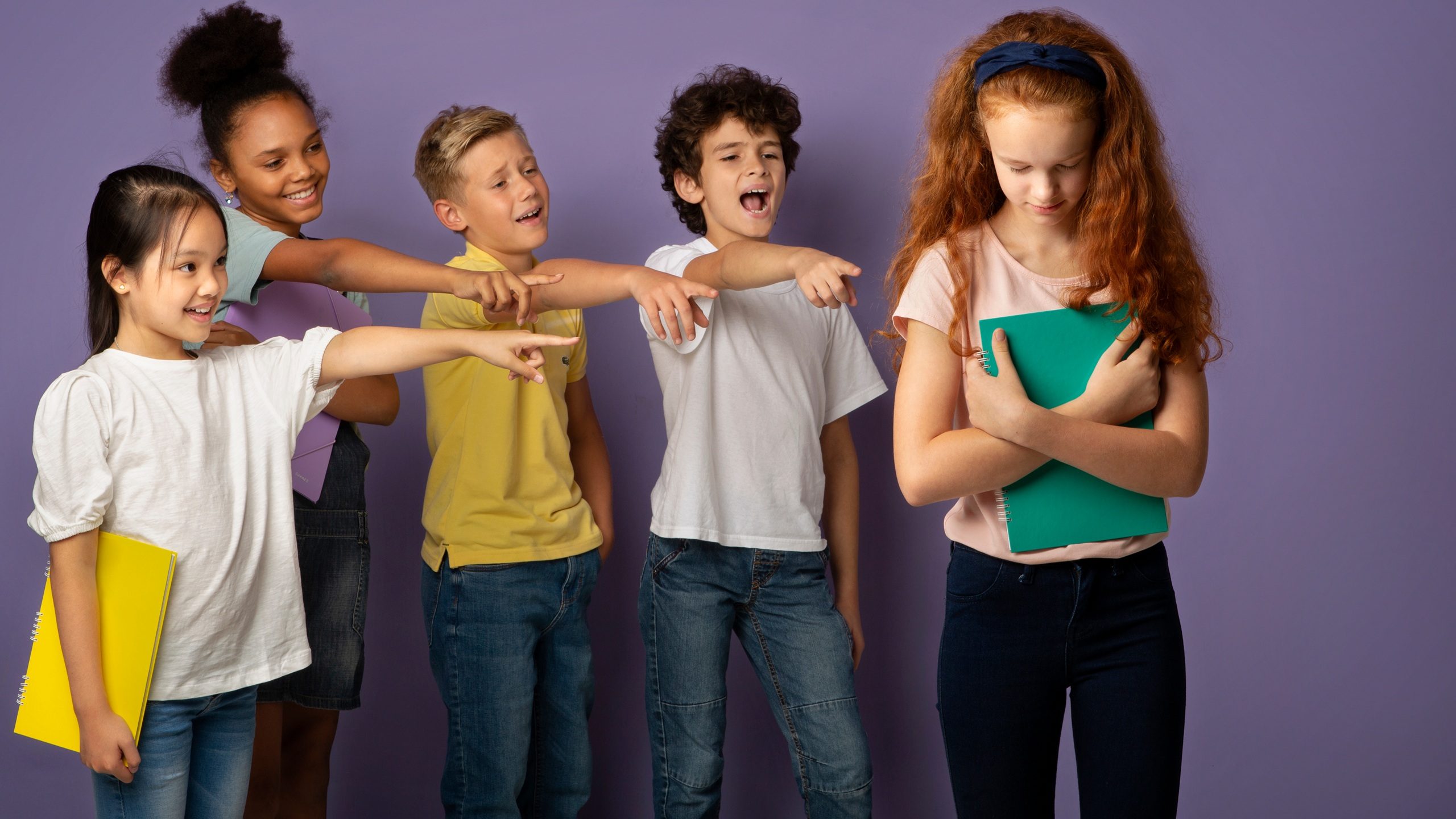
Friendly teasing isn’t the same thing as constantly criticizing someone about their appearance. If your daughter frequently makes remarks about another child’s weight, clothing, hairstyle, acne or other aspect of their appearance, her words can damage the other child’s self-esteem.
She is nice only when it benefits her

Some kids only choose to befriend others if they perceive them as being cool, athletic, or popular. They tend to disregard everyone else. If your daughter changes her behavior when she’s around certain people or people she thinks will let her blend in with the cool kids, she may care more about being popular rather than being kind.
She enjoys embarrassing others

Does your daughter laugh when someone is embarrassed or when she deliberately highlights another child’s errors in front of their friends? She might enjoy being the centre of attention by tearing someone else down. Public humiliation is one of the most cruel forms of bullying as it not only hurts confidence, but also reputation.
She struggles to apologize

Nobody’s perfect. But emotionally healthy kids aren’t afraid to apologize when they’ve hurt someone. If your daughter always blames others, makes excuses or refuses to apologize, she may struggle with accepting responsibility for her actions. Owning up and apologizing can help kids develop empathy and build trust and healthy relationships.
She tries to control her friendships

Healthy friendships let everyone spend time with whomever they want. If your daughter dictates to friends who they can talk to, gets mad when they’re included elsewhere, or threatens to end their friendship when they don’t pick her side, she could be trying to control others through fear instead of trusting them.
She shows little empathy
Showing very little concern for another child who is upset is another glaring sign. If your daughter mocks someone for crying, belittles another person’s feelings or doesn’t seem to comprehend how her words could hurt someone, she may need assistance learning empathy. Understanding how to recognize and value other people’s emotions is perhaps one of the most important social skills a child can learn.
She bullies through social media

Cyberbullying is bullying that happens after school hours. Posting humiliating pictures, commenting cruelly, excluding others from group chats on purpose or urging others to cyberattack someone are forms of bullying. Cyberbullying should be treated like bullying that occurs in real life.
She constantly competes with other girls

Healthy competition can motivate kids to give their best effort. But working all the time to one-up, criticize or tear down other girls isn’t the same thing. If your daughter can’t praise another kid for an accomplishment without adding negative commentary or inserting herself in the picture, she may view friendships as competitions rather than partnerships
She believes the rules don’t apply to her

Children who believe they can do no wrong or deserve special privileges often have a hard time respecting others’ feelings and boundaries. If your daughter frequently breaks rules, demands exceptions for herself, or gets upset when called out on her behavior, she could have a sense of entitlement. Accountability is something kids need to learn in order to grow up respectful.
She enjoys creating friendship drama

Kids can sometimes seek out conflict simply because they like the attention they receive. Does your daughter incite arguments, share different versions of events with different friends, or pit her friends against each other? She may be trying to cause trouble so that she can remain the focus of everyone’s attention.
Her friendships are volatile and short-lived

Children argue with their friends from time to time. But if your child routinely breaks up with her “best friend,” fights with classmates or runs from one friend circle to the next because of unnecessary drama, she may have poor self-esteem. Ongoing issues with fighting, testing loyalties, and screaming match endings will prevent her from learning how to have healthy relationships.
She says hurtful things and calls them jokes
“It was just a joke” is often used as an excuse for making a hurtful remark. If your daughter repeatedly makes cruel comments then laughs when someone gets hurt, she may be trying to hide behind humor. Teach her that if the other person isn’t laughing, it probably wasn’t funny.
She measures people entirely by material things

If your daughter routinely judges other kids based on what they’re wearing, what shoes they have, what kind of phone they own, how much money their parents make or what brand-name items they have, she could have an unhealthy focus on material things. In time, she’ll begin disregarding important qualities like kindness, honesty and integrity.