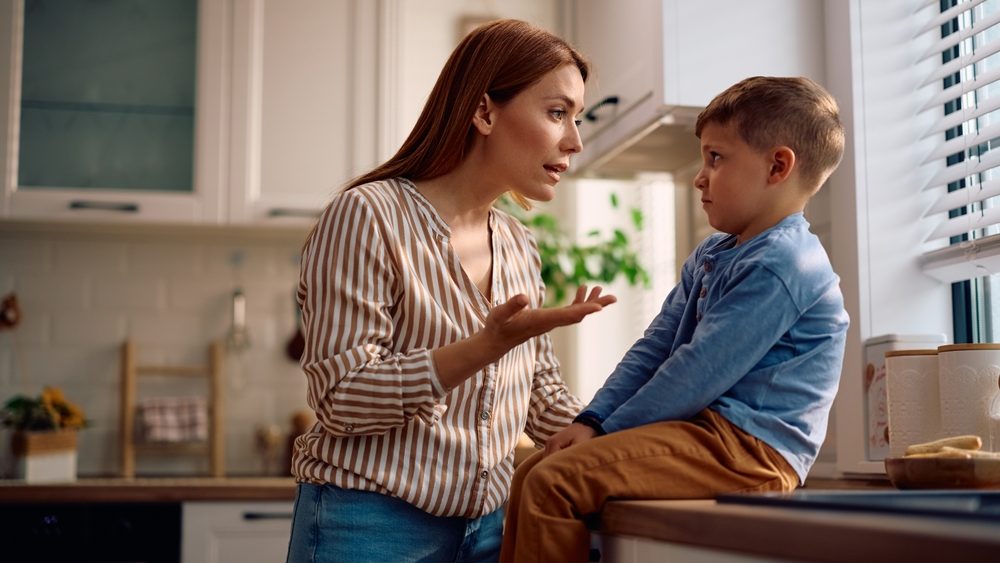

No parent is perfect, but there are certain things your child can say or do that should serve as a wake-up call that things need to change at home.
Your child is genuinely afraid to tell you the truth
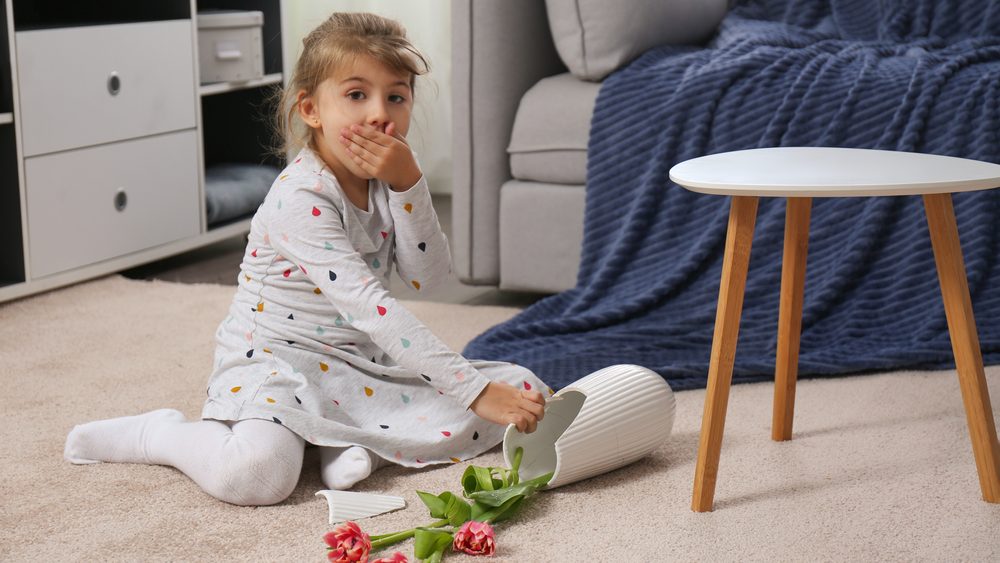
One of the healthiest things a child can learn is to tell you when they messed up. If your child hides something, lies, or points fingers when they make a mistake because they’re scared to death of how you’ll react, it might be time to take a look at how mistakes are addressed at your house.
Kids need consequences and boundaries, but they also need to know they can come to you when they make mistakes.
They constantly seek your approval

While all kids like praise from their parents, becoming overly reliant on approval can become an issue. If your child constantly questions if everything they do is “good enough,” they may have trouble learning to trust their instincts.
Be sure to praise their effort, improvement, kindness, and persistence. Allow them chances to decide things for themselves.
They don’t respect other people’s boundaries
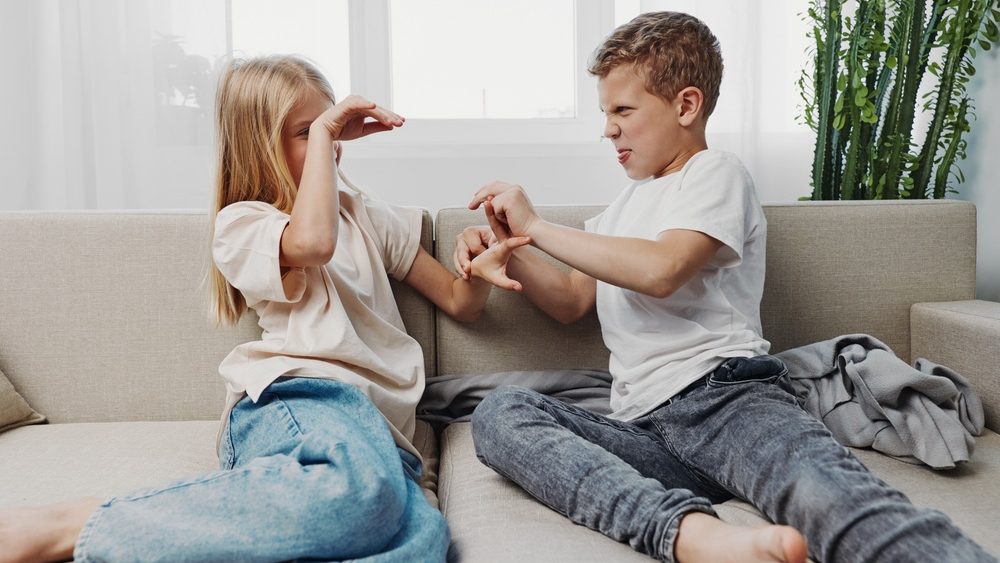
If a child continually disobeys “no”, invades others’ privacy, snatches others’ possessions, or simply doesn’t understand the need for personal space, parents may need to teach them about boundaries more clearly.
Kids don’t instinctively know all these rules of conduct. Most of it needs to be taught and demonstrated to them. They also learn about boundaries when you respect their reasonable boundaries.
They cannot handle hearing “no”
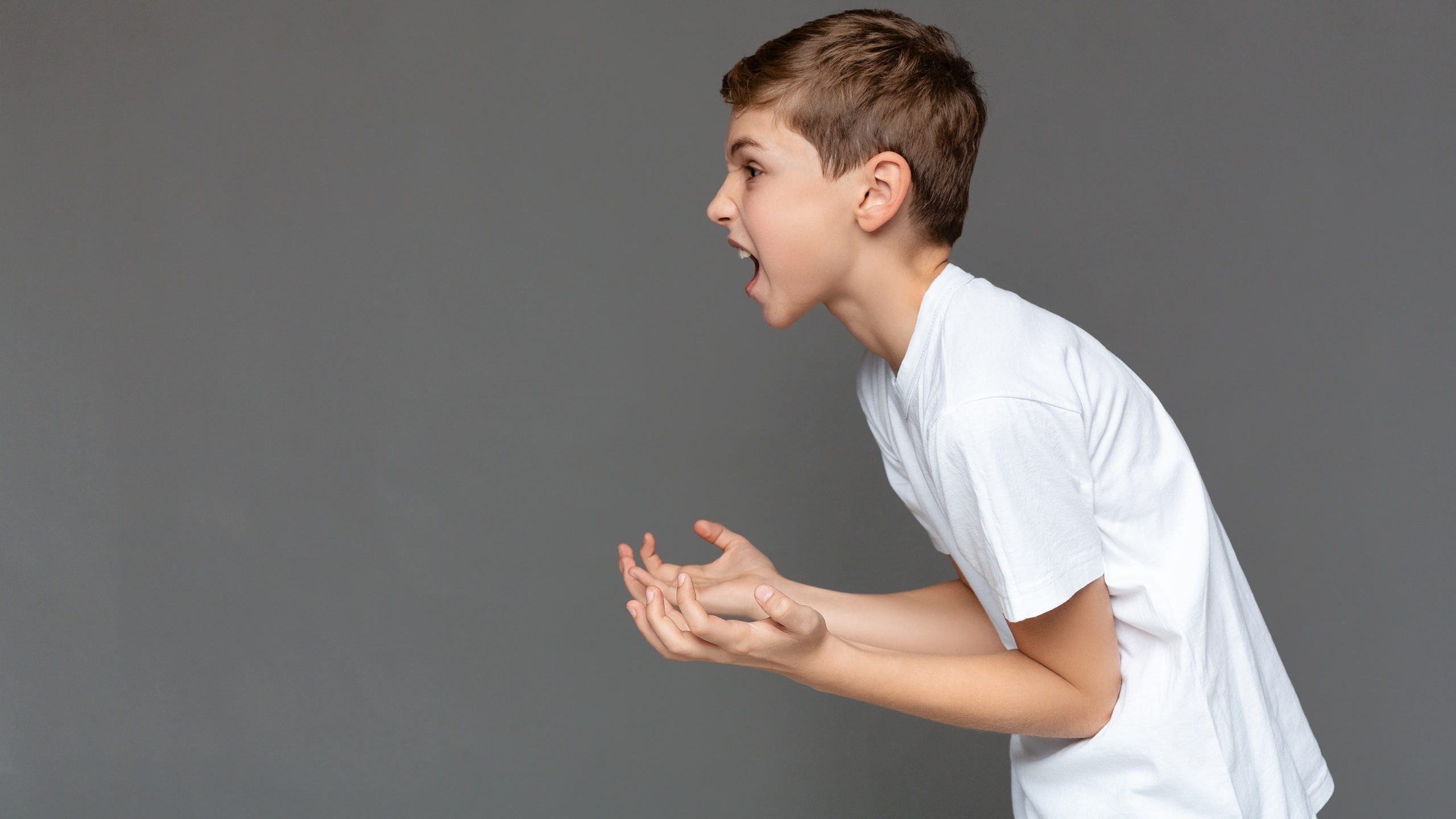
Disappointment is inevitable in childhood. If every denial is met with massive tantrums and parents consistently relent just to restore peace, kids learn that gritting through eventually changes the response.
Firm, reliable limits allow kids to know they can be disappointed without always having their way.
They are extremely aggressive or bullying toward others

If your child chronically bullies, threatens, or intentionally hurts others, don’t excuse the behavior as ‘kids will be kids.’ Think about what your child is learning about anger, respect, and conflict at home.
However, don’t forget that there are many reasons why children bully. Setting clear boundaries and consequences and being a positive role model will help alter the behavior.
They behave respectfully only when there’s a reward
Rewards aren’t bad. But kids should also learn intrinsic reasons to behave. If every job, act of kindness, completed chore has an associated cost of money, candy, or another reward, everyday tasks can begin to feel transactional. Slowly instill in kids that they help because they are part of a family.
They constantly interrupt or demand immediate attention
Children are impatient by nature, so they might demand immediate attention of parents. However, as kids grow up, they should slowly learn that others have conversations and needs as well. When adults drop everything at the drop of a hat for kids, kids have less chance to learn waiting, listening, and thinking of others.
They are extremely afraid of failure

If your child refuses to try anything unless they know they can do it successfully, they may have learned to fear mistakes. If someone has continually criticized them, had unreasonably high expectations or pushed achievement too hard, they may inadvertently create this fear as well. Let your child know that it’s okay to struggle, practice, and even fail sometimes.
They expect adults to solve every problem
Helping children is part of good parenting, but helping isn’t the same thing as fixing. Fixing may involve continually emailing teachers, solving disagreements with friends, remembering the child’s forgotten lunches and clothes, or bailing children out of every manageable consequence. All of these take away chances for kids to learn independence.
They treat you the way they see you treating others
Kids learn a lot just by watching. If they witness adults yelling, name-calling, breaking promises, not apologizing, or demeaning servers, they may not listen very well to words about being nice. Perhaps one of the best things we can do to teach respect is to model it ourselves.