

Helping your teen create a distraction-free zone can have one of the biggest payoffs when it comes to studying.
The focus killer
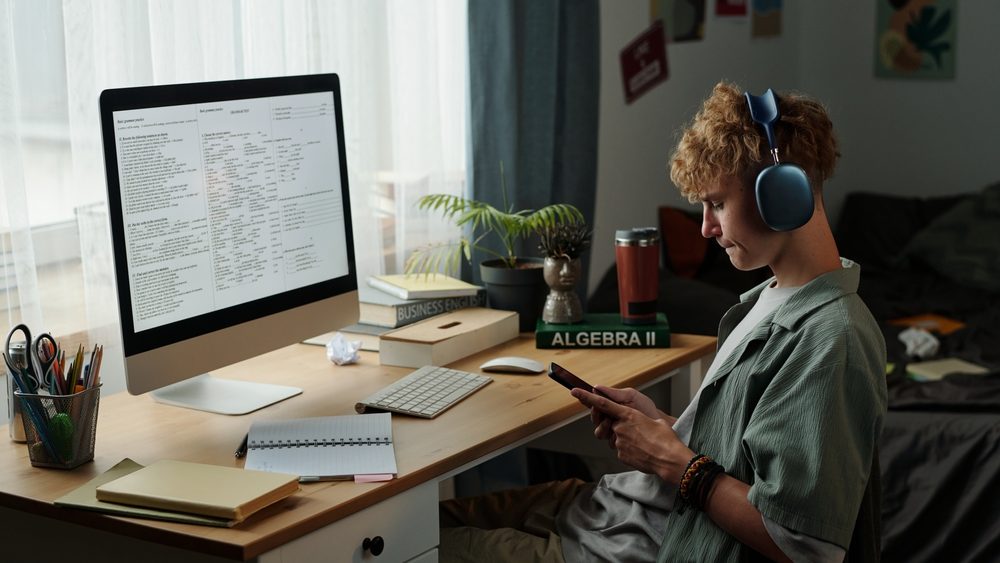
Just keeping a smartphone arm’s length away (even face down) pulls attention away from the task at hand. It’s called cognitive brain drain. Subconsciously, the brain will have to work harder to fight the temptation to look at messages, scroll through short-form videos, or respond to group chats. What should take them 30 minutes to read may take two hours with distractions.
The clutter trap
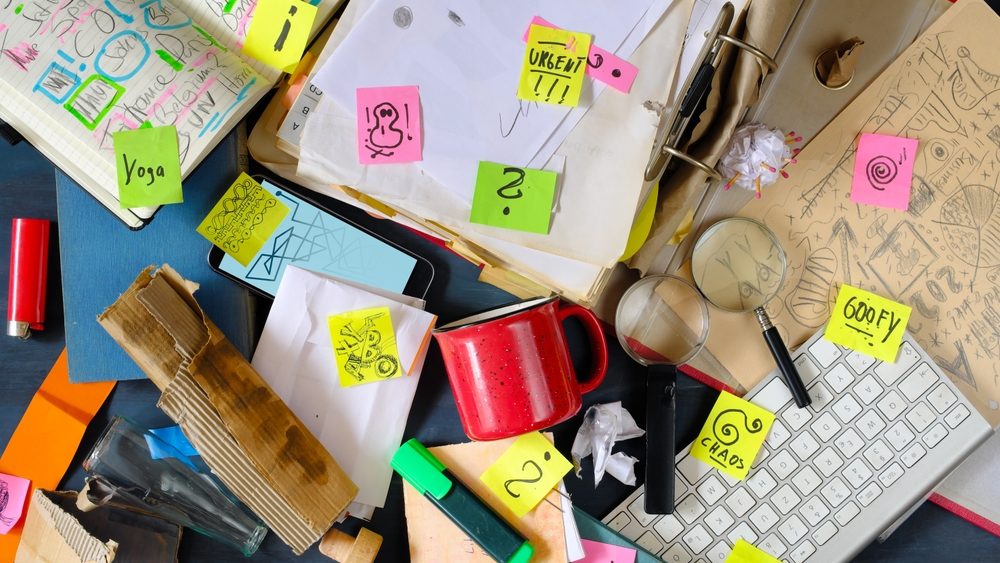
Graded tests, worksheets, and old notebooks from previous units take up precious desk space and cause clutter. When a desk is cluttered with work from years past, your child’s mind tells them there’s too much to do, which makes it difficult to concentrate on what they need to do.
Having past work out of the way allows you to fully concentrate on the subject they are learning. Teens can focus better if the desk only holds what they plan to use in the current study session.
Comfort can backfire

Throw pillows, blankets, and other comfy distractions can make it hard to separate study time from downtime. Comfort is important; your teen isn’t going to focus on homework while sitting in a chair that hurts, but you don’t want to create a space that invites your teen to curl up and nap.
Invest in a supportive chair, adjust desk height and ensure the room temperature is comfortable. Save the blanket fort for after the homework is done.
The wire mess
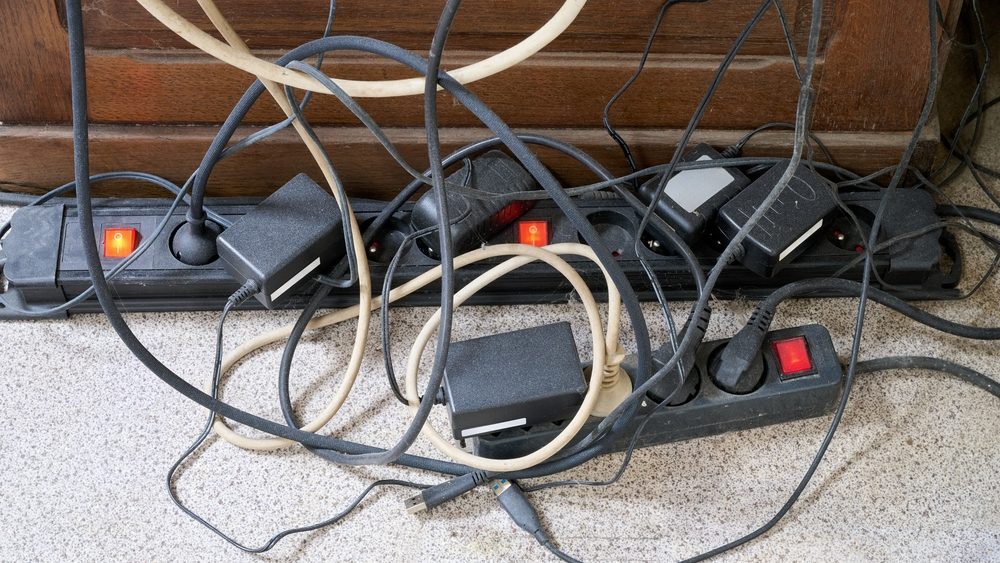
Entangled cords from power strips, phone chargers, headphone wires, and adapters clutter a desktop and create constant physical friction. Catching a hoodie sleeve or backpack strap on a rogue charger cord can swiftly pull your teen’s pricey tablet or laptop off the desk.
Simple cable management such as cord clips or a desktop charger station helps keep your desk clear and saves expensive electronics from a tumble.
A messy distraction

Nibbling on a light snack while cramming for a test is one thing. Turning the desk into a dining room table is another. Bowls, take-out boxes, and unfinished meals crowd a workspace.
They can also leave crumbs, odors, and stains near books and the computer. Eating lunch or dinner away from the study desk also allows teens to naturally take a break from studying.
The false energy boost

Energy drinks may offer a quick way for teens studying for exams to feel alert. But too much caffeine can cause sleep problems and unpleasant side effects like jitteriness or a pounding heart. It’s also bad news for studying during late-night cram sessions because sleep is vital to learning and memory.
The American Academy of Pediatrics recommends avoiding energy drinks in children and teens. Water is always a great choice on the study table.
Too much at once

Being prepared doesn’t mean having everything for every subject sitting on the desk at one time. Your teen will be overwhelmed if they look down and see six textbooks, multiple notebooks, and a pile of unfinished work before they’ve even begun.
Keep the books and notebooks for the subject they will be working on next sitting atop the desk and set the rest within arm’s reach, but off to the side. Putting one subject aside and replacing it with the next will also help build momentum by allowing them to feel a sense of accomplishment.
Too tempting to ignore

Put a video game controller, sketchpad, makeup brush, or fantasy novel directly next to the study table, and you’re asking for trouble. When faced with a daunting algebra equation or persuasive writing topic, your teen’s mind will seek the path of least resistance, to whatever distraction is closest.
Issues with lighting
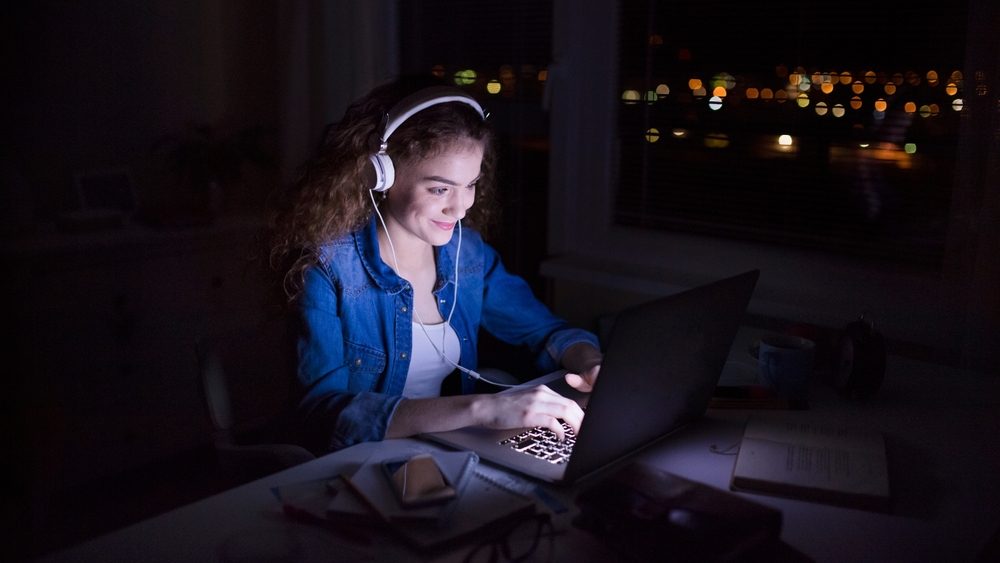
Trying to study under one glaring fluorescent tube or in the dark corner of the bedroom forces eyes to strain. Overworking eyes leads to premature exhaustion, dry eyes, and stress headaches way before your teen actually completes their assignment.
Study areas should have ample, warm task lighting from a desk lamp that evenly lights work areas without causing shadows or glare on screens.
The background trap

Listening to music with lyrics through open-ear headphones or watching/commentary videos directly bombards the area of the brain responsible for processing language. A teen’s brain can’t effectively write or memorize anything when it is also being asked to decode speech. Try using study beats, ambient white noise, or noise-canceling headphones to keep your mind focused instead.
Like our content? Be sure to follow us.