

If you’re a parent, chances are you’ve heard every one of these lines at least once.
“I already brushed my teeth!”

This is typically declared while standing next to the bathroom sink with a completely dry toothbrush. Children hate having their bedtime routine interrupted, so they’ll say they brushed confidently. Parents, tired after a long day and just wanting to get kids in bed, take the verbal shortcut instead of checking breath or toothbrush bristles for signs of toothpaste.
“My stomach hurts, I think I’m getting sick”

One of this generation’s favorite kid excuses, it is most often used on Monday mornings or right before a spelling test. Kids love using this excuse because a stomach ache is completely subjective. There’s no temperature reading to confirm or deny its existence.
Parents buy it so often because who wants to be the horrible parent that makes their kid go to school when they’re really sick, just to be called by the nurse two hours later.
“I don’t have any homework today”

Smoothly delivered with complete composure and direct eye contact, this lie affords kids precious time to play video games or go outside.
Parents believe it because they can relax for the afternoon without having to dread the homework war over math worksheets. They know teachers don’t usually let kids completely skip homework, but avoiding an argument lets parents turn a blind eye.
“I didn’t hear you calling me”
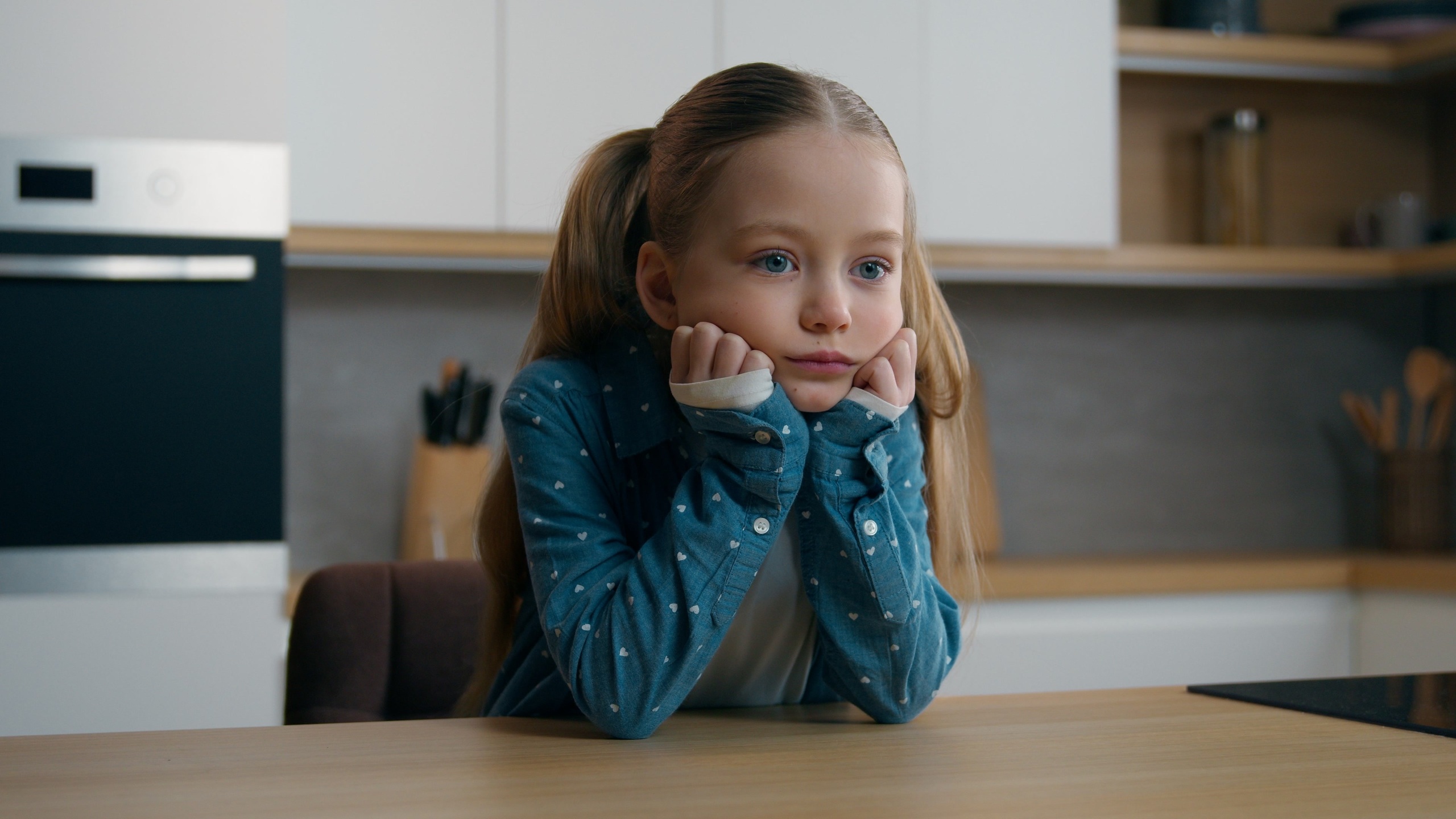
This is the age-old excuse when you don’t want to do chores, answer dinner, or go to bed. Children capitalize on the concept of selective hearing or being focused on something else. Parents accept it because children really do sometimes tune the world out when they’re playing or watching television. Parents can allow their child the benefit of the doubt and assume it’s because they’re innocent rather than disrespectful.
“He/She hit me first!”
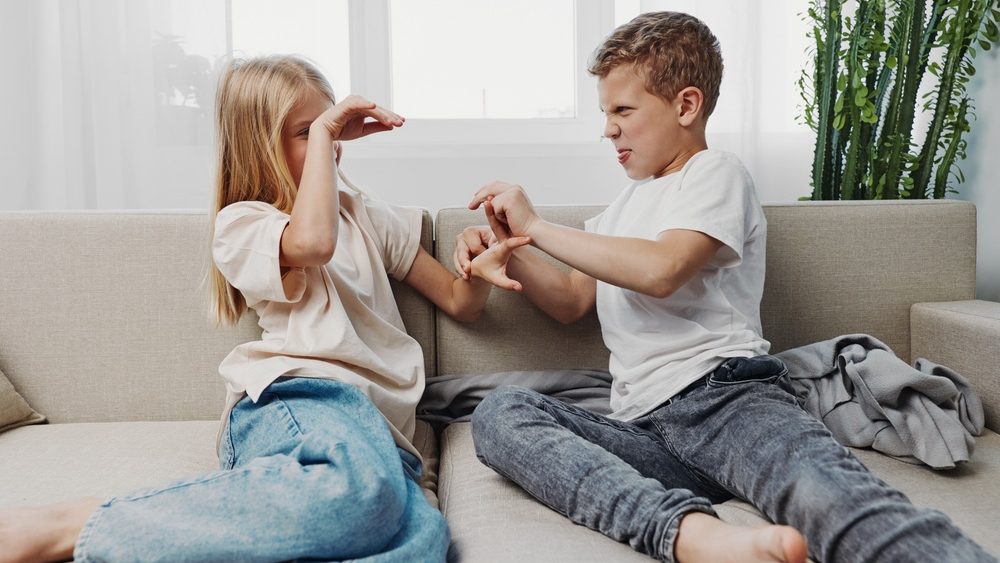
During the middle of a sibling fight, whichever child is first to their parent crying wins. By crying victim to unnecessary aggression, children play on their parents’ natural instincts to protect them. Parents fall for it because instead of determining who started it five minutes ago in the hallway, they can simply punish the kid in front of them.
“Everyone else’s parents let them do it”

This is social engineering at its finest. Getting a parent to believe that they are the only strict one and every other parent is cool and permissive enables kids to play directly on the insecurity of parents. No one wants their child to feel ostracized from their peer group. So parents often just cave without verifying what their children say with the other moms and dads.
“It was already broken”
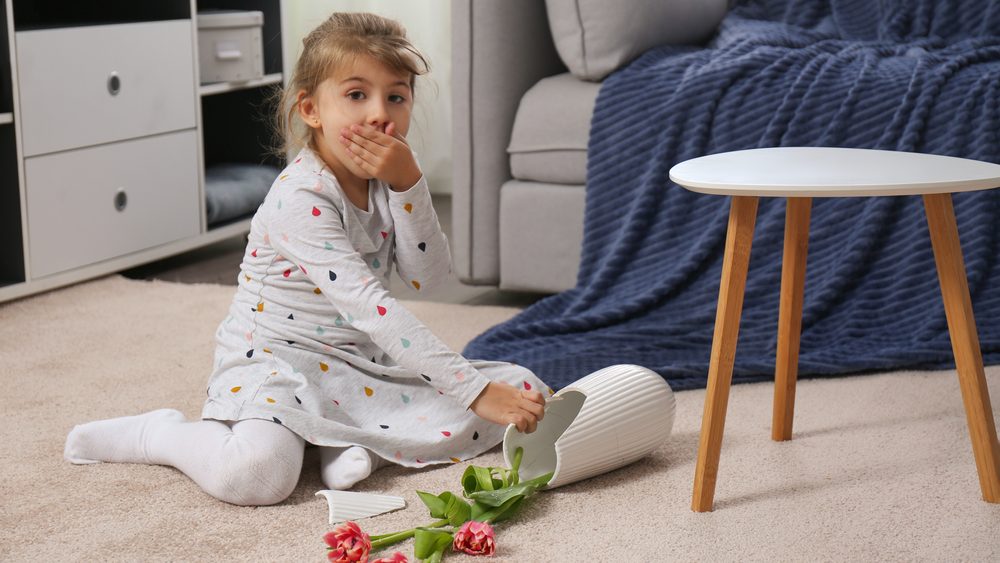
Something gets broken at your house: lamp, toy, remote control, household appliance. All of a sudden, no one knows what happened. Your child tells you it was there when they walked in the room. Kids lie because they are often more scared of getting punished than they are about breaking something.
“Teacher said we don’t need to do that part”

If there’s something boring they don’t want to do on a project or worksheet, kids will say the teacher specifically told them they didn’t have to do it. Parents believe this because standards/codes/rules and teacher likes and dislikes change year to year, and most parents simply do not have time to contact the teacher and confirm every little thing on an assignment. It’s a harmless lie that gets the kid out of 20 minutes of work.
“I only had a little”
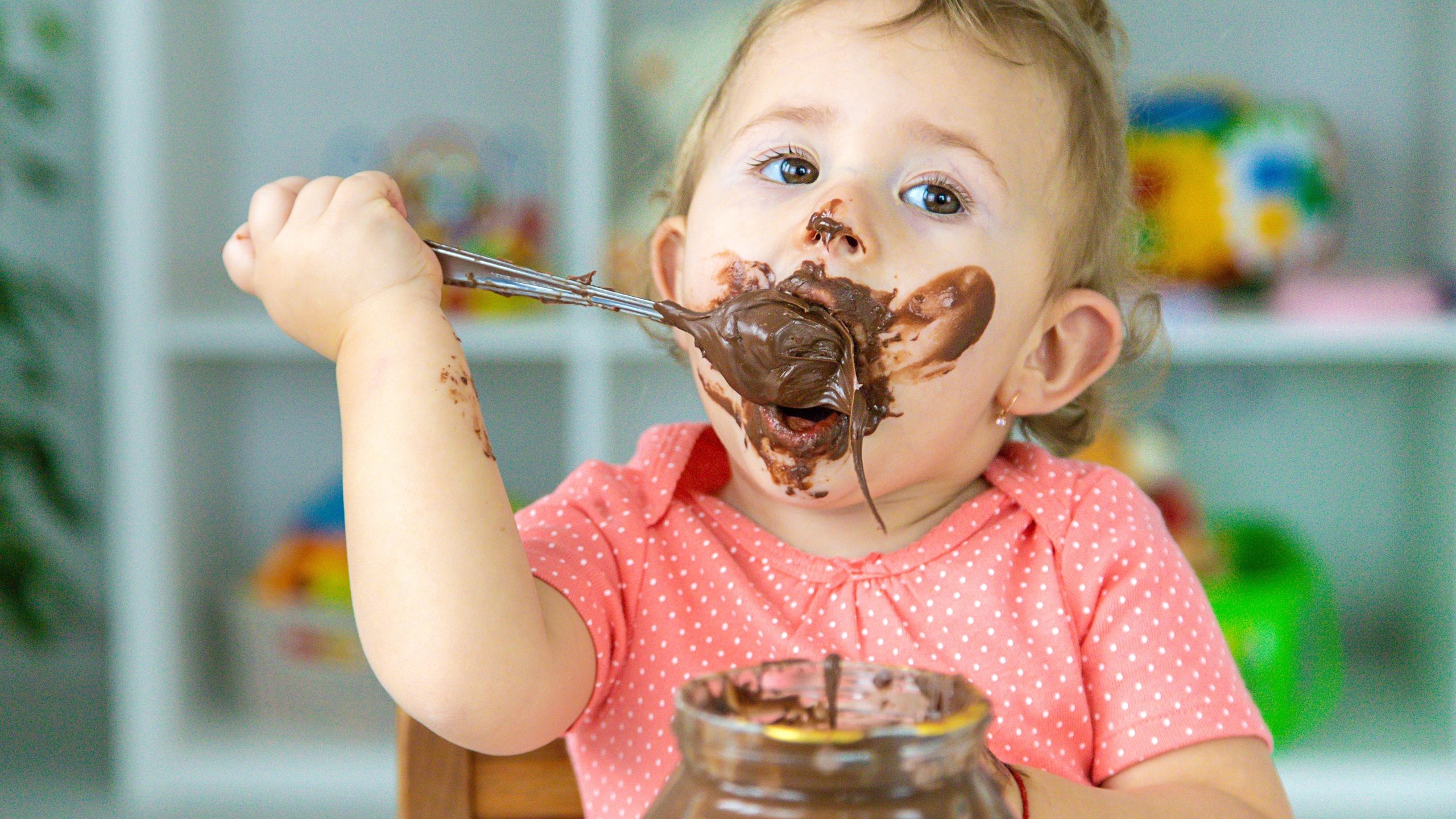
Whether speaking of candy, soda, snacks, or dessert, “a little” is a wonderfully versatile measurement. The empty package next to you may say otherwise. Kids will underreport what they’ve eaten when they think the truth may disappoint you. It’s usually more effective to ask nicely than to begin shouting.
“I’m not tired”

Their eyes won’t stay open, they’ve yawned five times already, and they’re getting cranky, but they know without a doubt that they’re not sleepy.
Kids, especially younger ones, often fight bedtime because sleeping means they’ll miss out on fun stuff. Instead of arguing over if they’re tired or not, having a consistent bedtime routine will help ensure that sleeping just becomes part of your nighttime routine instead of something you have to negotiate.