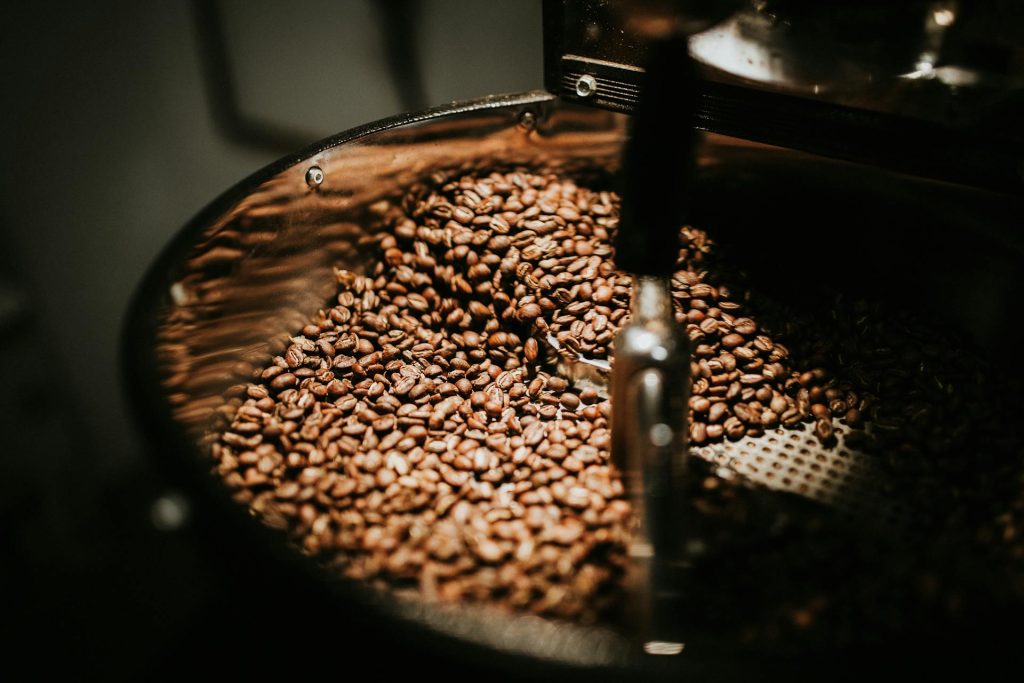

Before Colombia, we thought we knew coffee, but after spending a few days in Colombia’s renowned coffee-growing region, we’ll never look at another cup the same.
Coffee is meticulously hand-picked
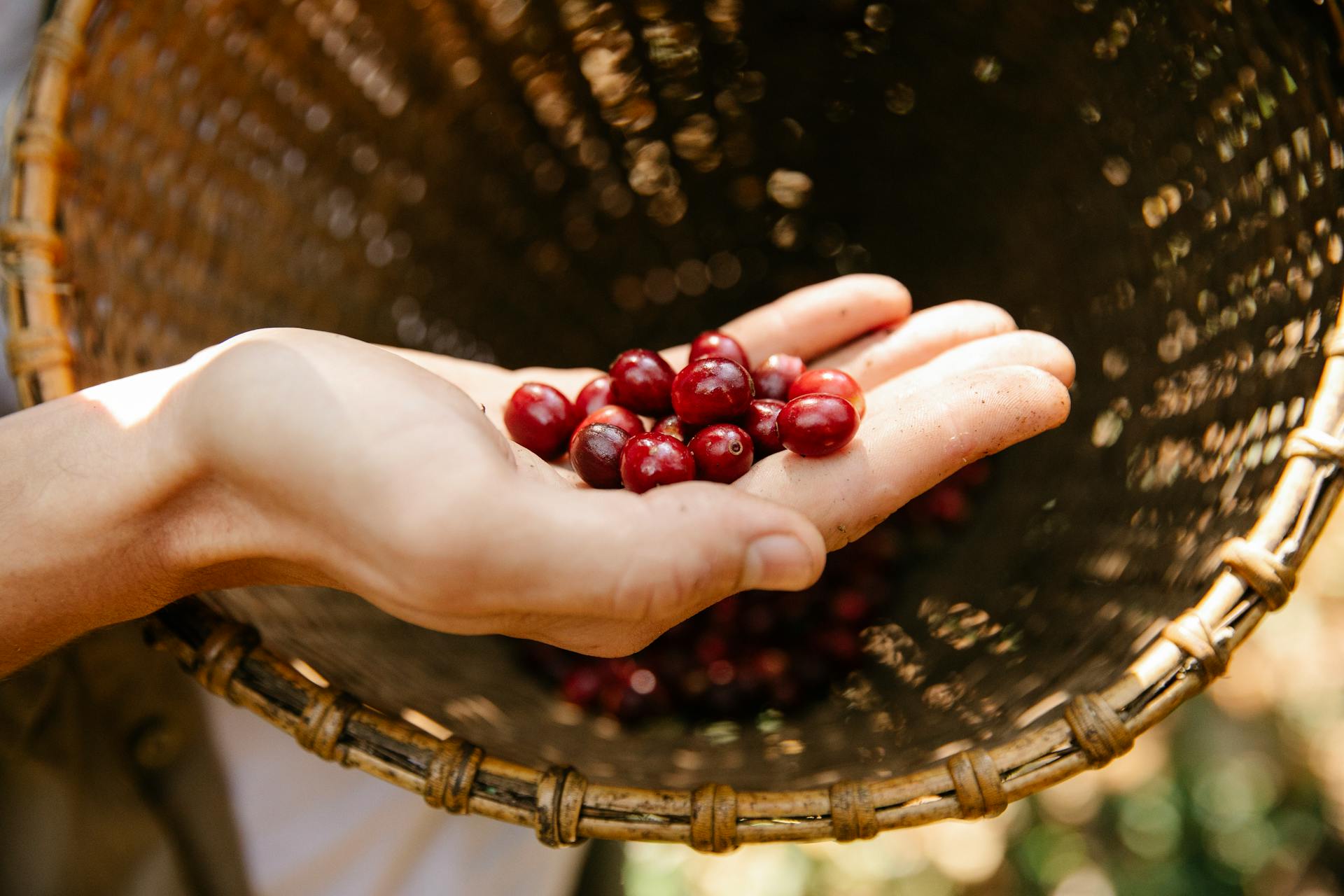
One morning, we toured a coffee farm outside Salento and pitched in with the harvest. The workers loaned us baskets and taught us how to only pick the ripest, reddest cherries. It’s hard work hopping around hillsides in the sun, and we didn’t fill half a basket in an hour. These farmers do that every hour, all day long, swiftly and meticulously. Drinking coffee afterwards knowing we picked some of the cherries for that batch? Extraordinary.
The altitude shapes the flavor
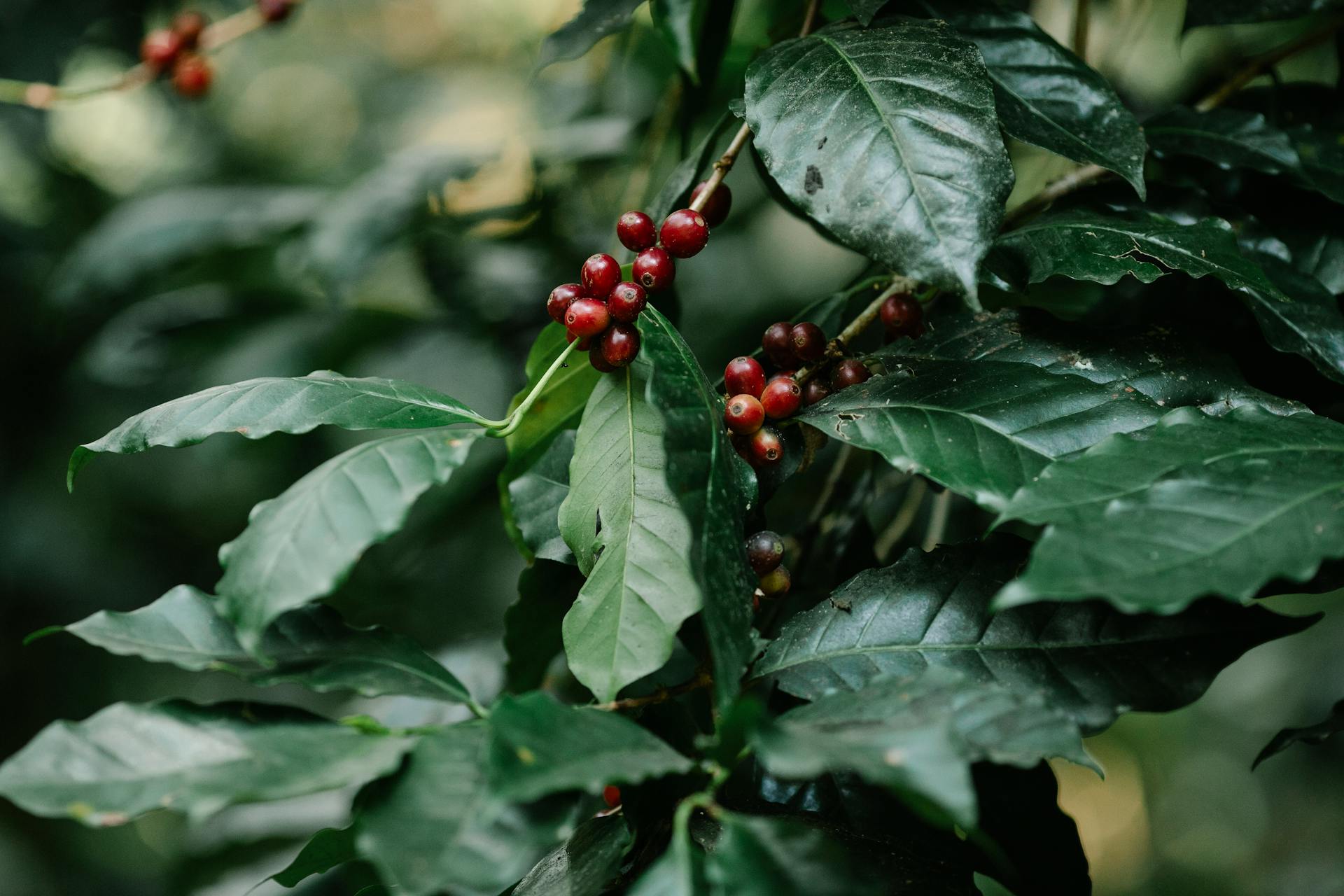
Our drive to two different coffee farms took us to a range of elevations. The higher up we went, the more variation we noticed in the coffee. On a mountain-top estate not too far from Manizales, the coffee we sampled was light and fruity with citrus undertones. Further down the mountain, the beans tasted richer and more nutty. One farmer explained that colder temperatures at higher altitudes cause the coffee plants to grow more slowly, producing a bean with more flavor.
The cherry-to-cup process
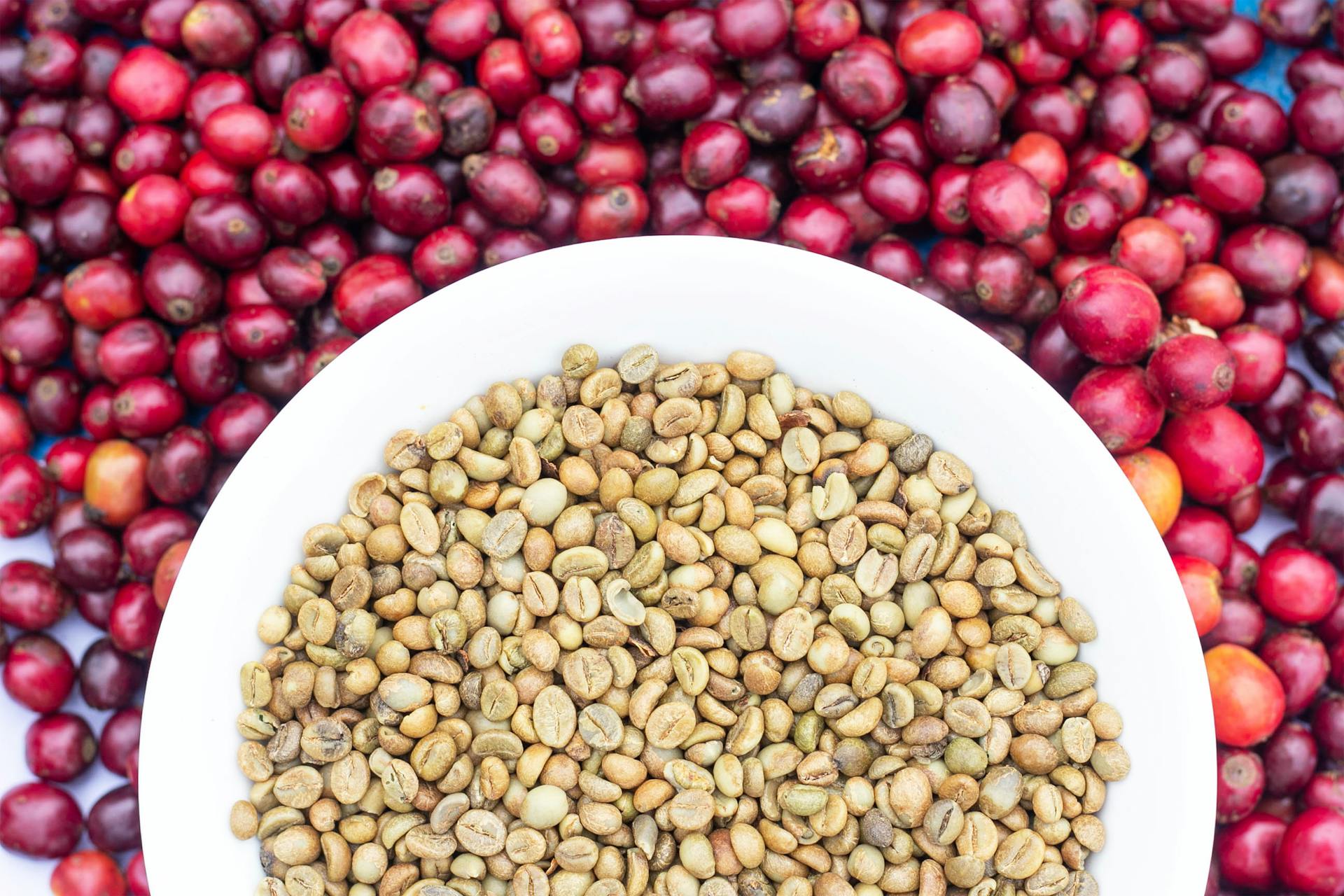
I was mesmerized watching coffee beans go from fruit to caffeine-filled delights we know and love. On one farm outside of Armenia, we followed the entire process from fruit to bean, even allowed to grind the roasted coffee beans by hand. My husband thought he had it. The farmer laughed at his amateur attempt at a grind. “It’s harder than it looks,” he said, taking the crank back from my hubby.
Coffee tastes best without milk or sugar

My husband and I used to drink our coffee swimming in milk and sugar. Colombia changed all that. At a coffee tasting in Bogotá, our host asked us not to add sugar or milk so we could taste the coffee’s natural sweetness and flavor. One tasted of red berries; another had hints of caramel. It was so delicious I didn’t even miss sugar! My husband, who loves sugar in his coffee, was slow to convert. But after learning about the process and tasting coffee across the country, he surrendered by the trip’s end.
Coffee can be fermented for unique flavors

We drank coffee fermented with passion fruit in a hip Medellín café. It sounds strange, but the end result was phenomenal: a subtle tropical sweetness balanced with the natural acidity of the beans. The coffeemakers in Colombia, we heard, are starting to adopt experimental fermentation as part of their craft, a new angle on the old tradition.
Tinto isn’t fancy, but it’s everywhere
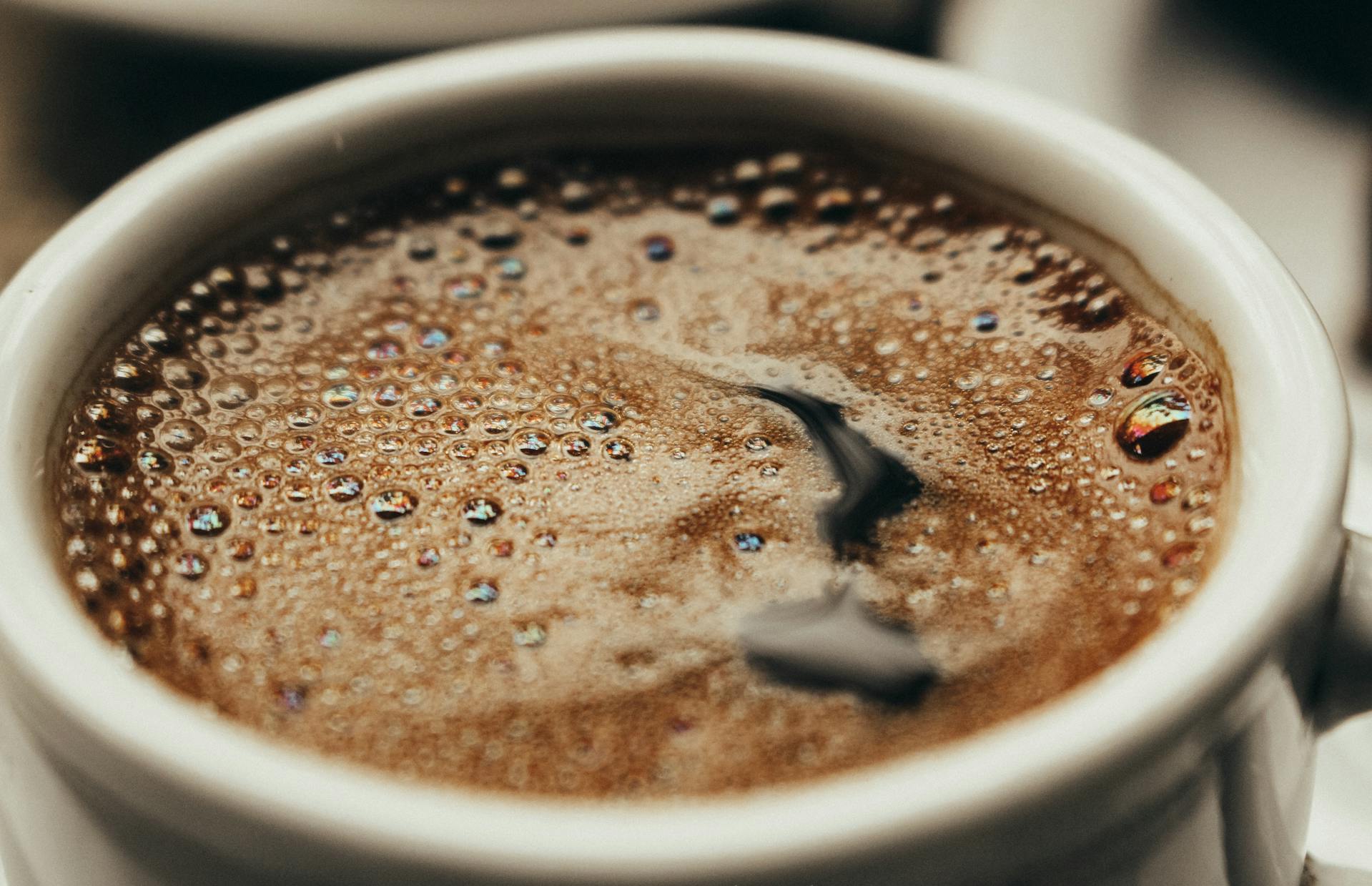
It turns out Colombians really love tinto, a small, simple cup of black coffee. Our first taste of tinto was from an old man scooping brown liquid from a massive thermos into Styrofoam cups. We watched entranced as he rang up orders on his cash register, then sprinkled powdered milk and sugar onto the caffeinated liquid. It was rich and a little sweet, and hit the spot. Colombians drink tinto all day long.
Coffee farms are committed to sustainability
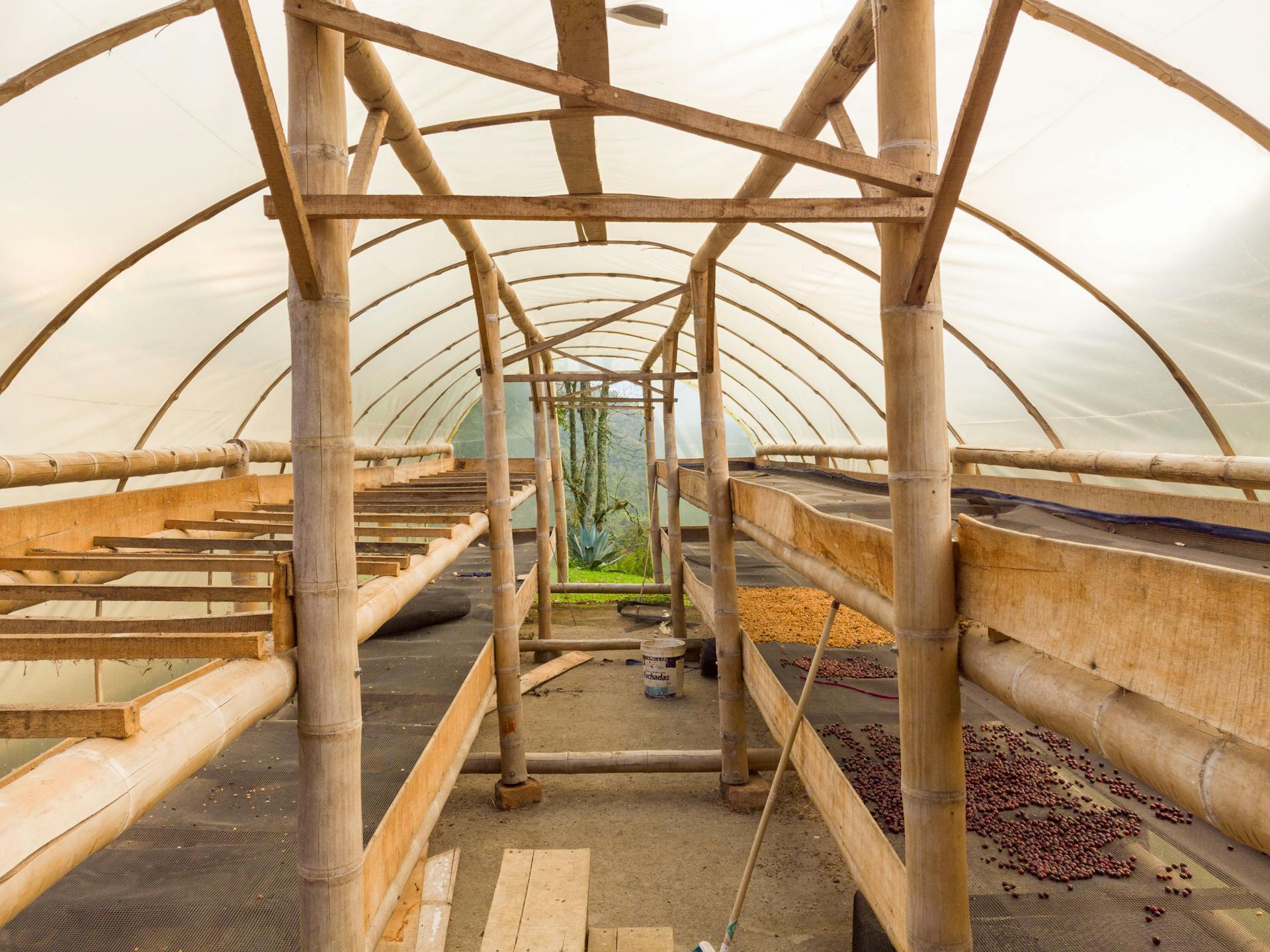
These farms were small-scale, most of them family-owned. One welcomed us into their backyard, eager to show us how they utilized every resource to create sustainable coffee. They compost coffee pulp leftover from production and use solar power to dry the beans. When we asked what made them different, the owner smiled proudly. “We’re not making coffee for now,” he said. “We’re producing for our kids.”
Coffee tastes better when brewed slowly
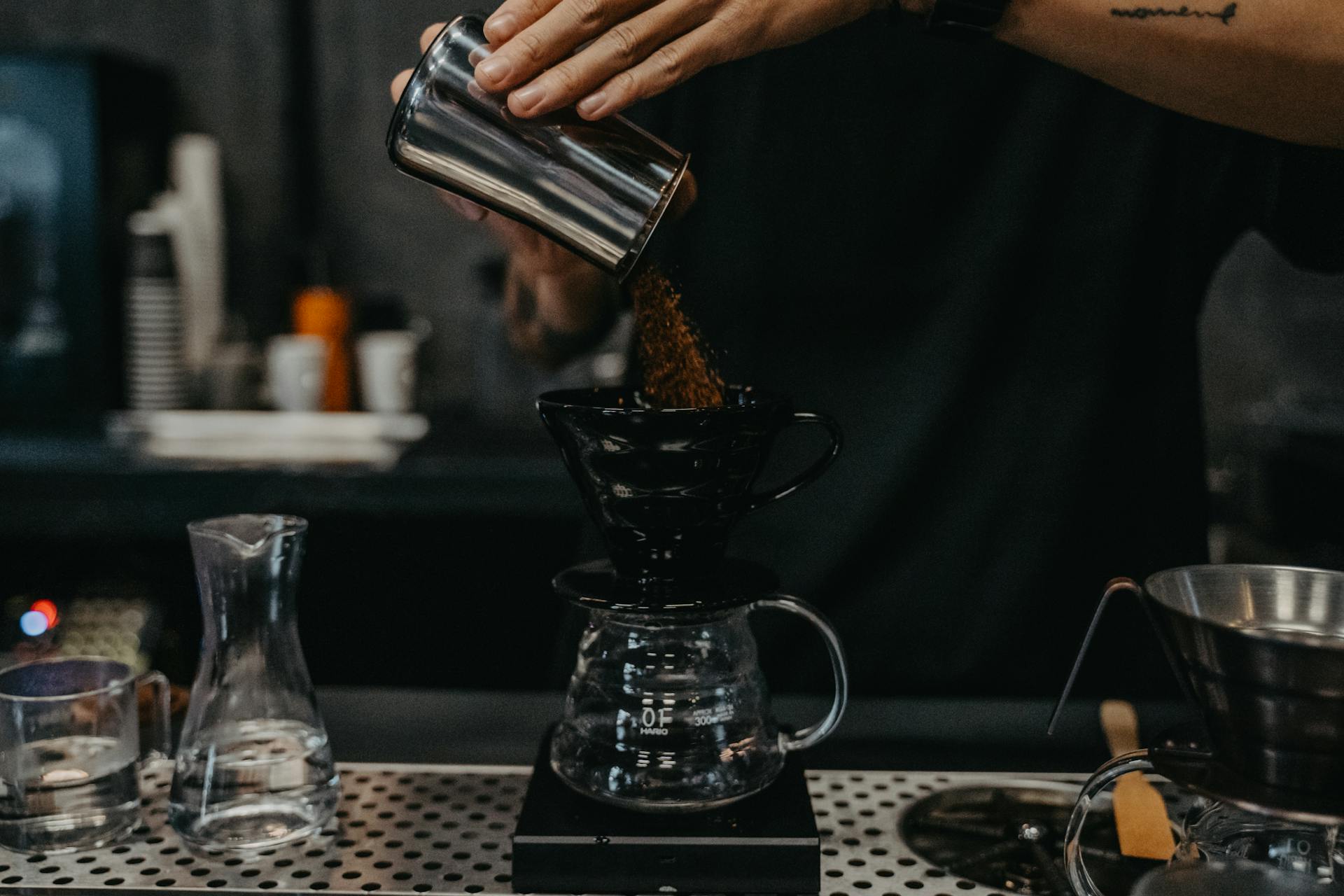
We sat down to enjoy our coffee at a cafe in Cartagena and were entranced by our barista’s pour-over technique. She slow-stepped us through how the process drew out the coffee’s subtle flavors. We tasted. It was amazing. So smooth, so full of flavor, yet there was no bitterness! My husband tried it at home after the trip, determined to recreate it. After three tries, he tossed the grounds in the trash. “I think I’ll stick to French press,” he laughed.
You can drink coffee at night without regrets
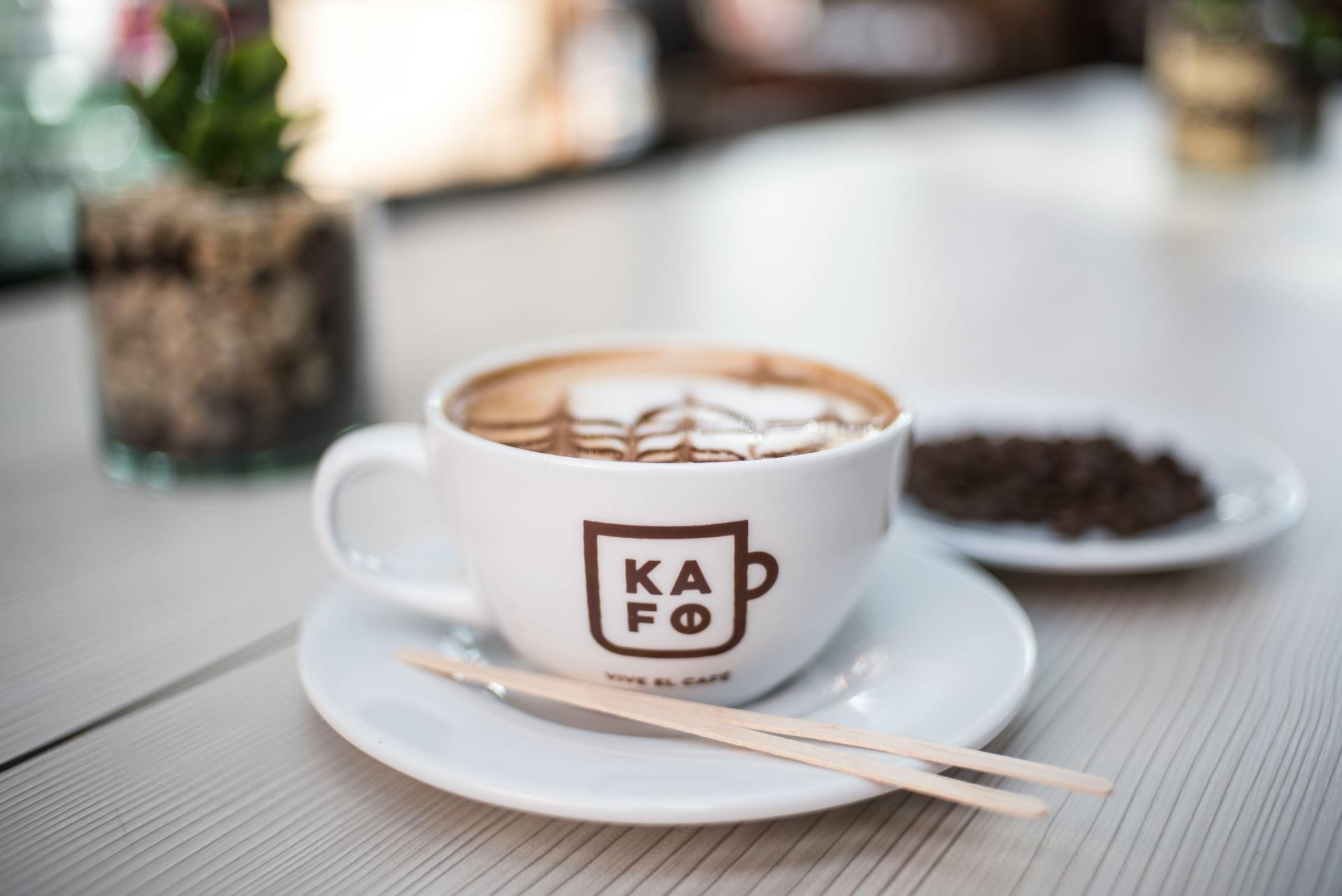
On a night stroll through Medellín, we stopped into a cafe for dinner. After dessert, our waiter offered us coffee. We both hesitated. In the U.S., we’d never dream of drinking coffee that late. But not only is Colombian coffee grown differently, but it also has less caffeine than the beans we’re used to. Sold, we each ordered a hot cup and sipped it as we watched the city nightlife. It was rich, decadent, relaxing. We slept great that night.
Like our content? Be sure to follow us.