

The words children use every day often become the habits they carry into adulthood.
“Shut up”
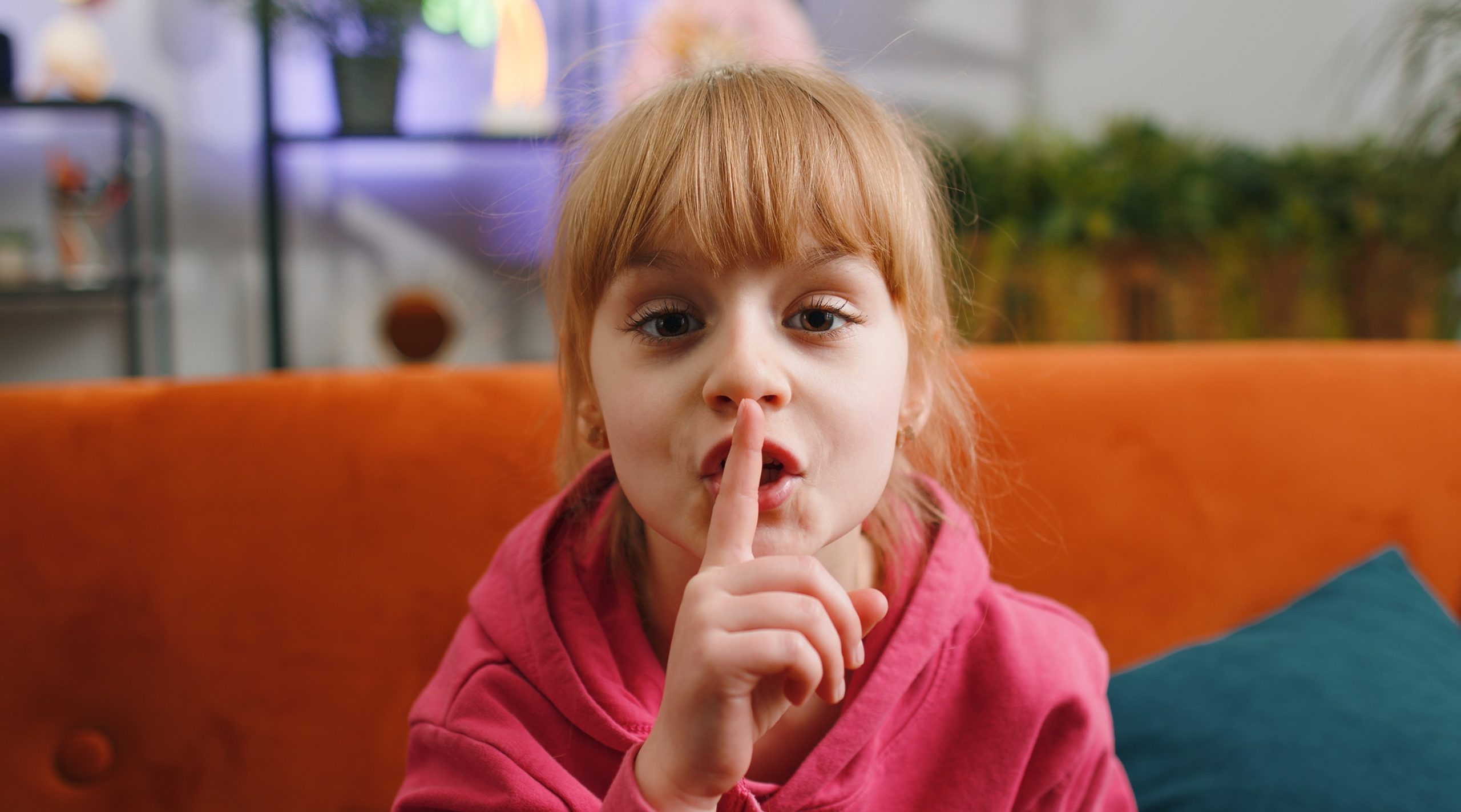
This is probably the most common thing children hear from their friends, older siblings, TV, or social media. They hear it so much that they don’t realize how rude it can sound.
Remind them to say something polite like “Please stop talking for a second” or “Can I talk?” The earlier you teach your kids to say something nicer, the better they will be at blowing off steam without offending someone.
“I can’t”

Kids often proclaim “I can’t” as soon as something is challenging, even before they try. If kids aren’t stopped in their tracks and helped to understand, they’ll use that as an excuse to avoid challenge instead of learning perseverance.
Teach kids one simple word to encourage a growth mindset: yet. “I can’t do it yet” helps kids remember that skills get better with practice.
“Stupid”
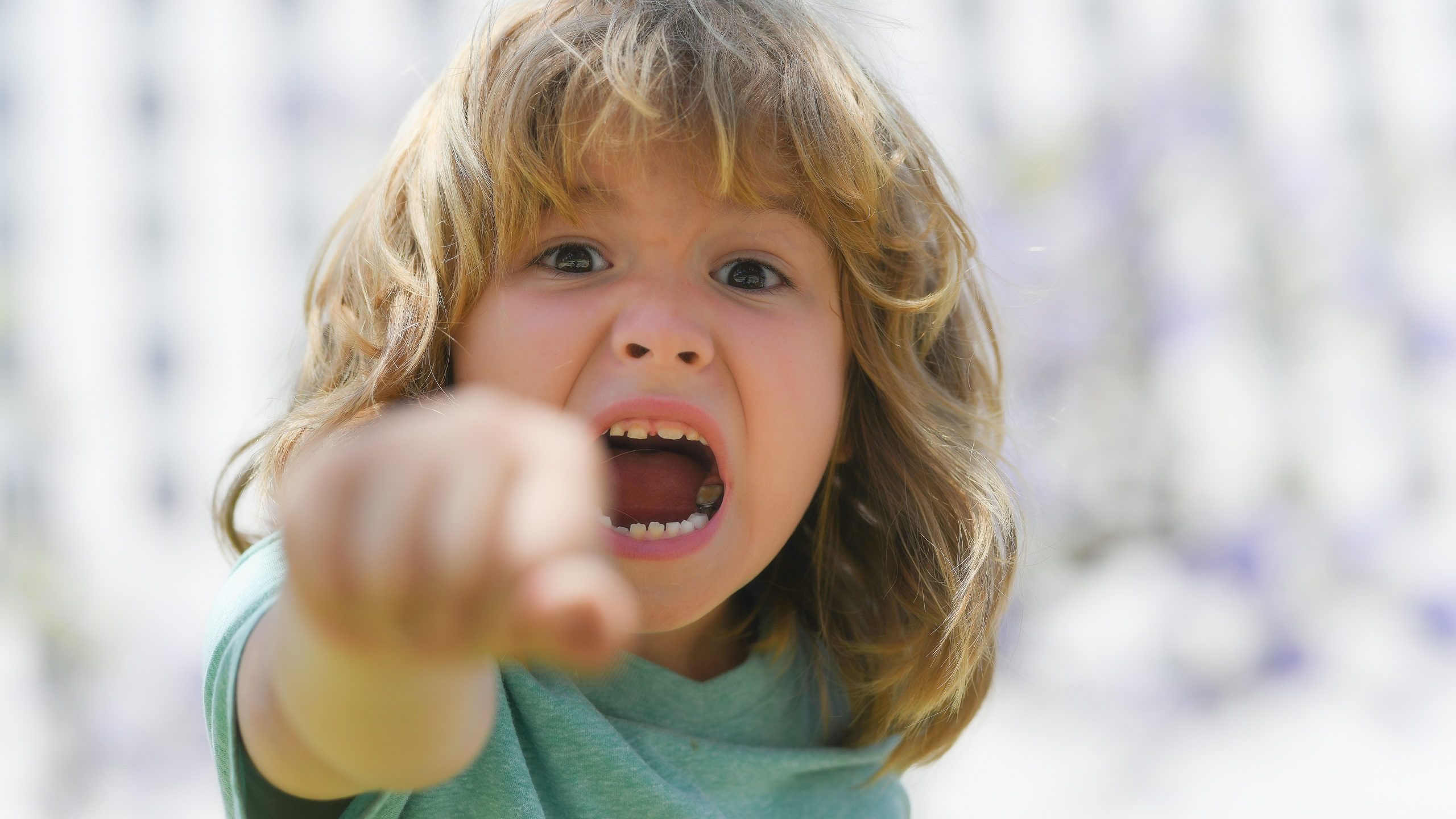
To a young child, calling someone “stupid” may just seem like innocent teasing. However, it soon teaches them to criticize people, rather than behavior. Whether they are referring to a brother or sister, schoolmate, or even themselves, using this label can hurt self-esteem and promote the use of name-calling.
Teach your child to be specific about what the problem is. Say “That wasn’t kind of you to do.” or “I didn’t like what you did.”
“I hate…”

Kids will often tell you they “hate” vegetables, homework, or siblings when they’re upset. Although they’re likely not truly saying they dislike it that intensely, using the word hate for normal inconveniences can cause trouble later on when they need to deal with their feelings.
Teach them other ways to say it. Swap “I hate it” for “I don’t like it,” “This makes me upset,” or “I’m frustrated.”
“Mine!”
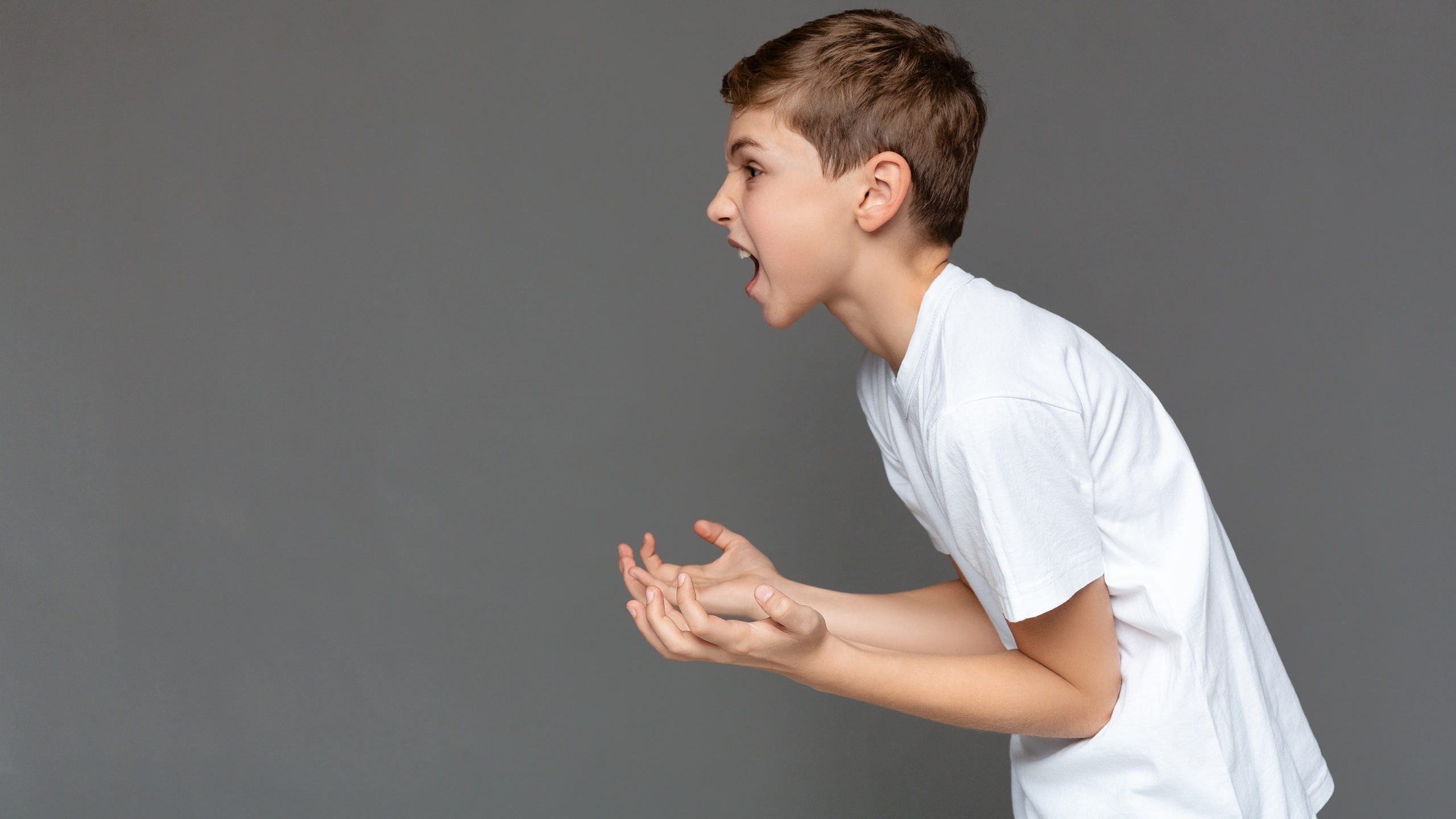
While it’s perfectly acceptable for toddlers to experience a “mine” phase, as kids get older, this behavior will only promote selfishness and make sharing harder.
Children should learn to say things like, “Can I have it when you’re done?” or “Can we share?” Teaching your child patience and the value of sharing will allow them to have better friendships.
“Whatever”
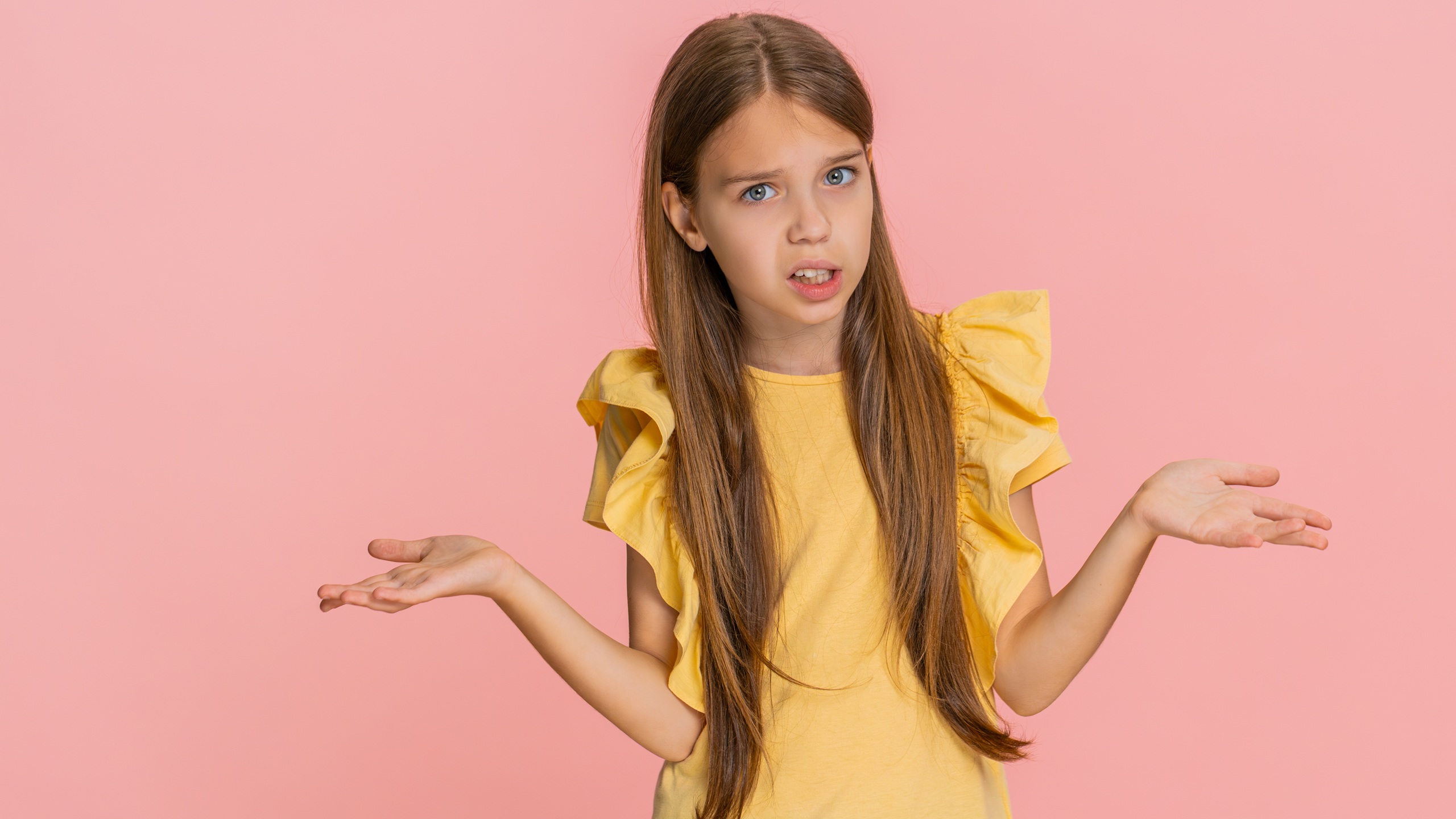
Kids don’t always understand how rude the term “whatever” is. It ends conversations and lets others know they don’t respect you.
Whether it’s their parents, teachers, or another adult, teach your kids to speak nicely if they’re upset or disagree. They will need to use this people-pleasing skill for the rest of their lives.
“That’s boring”
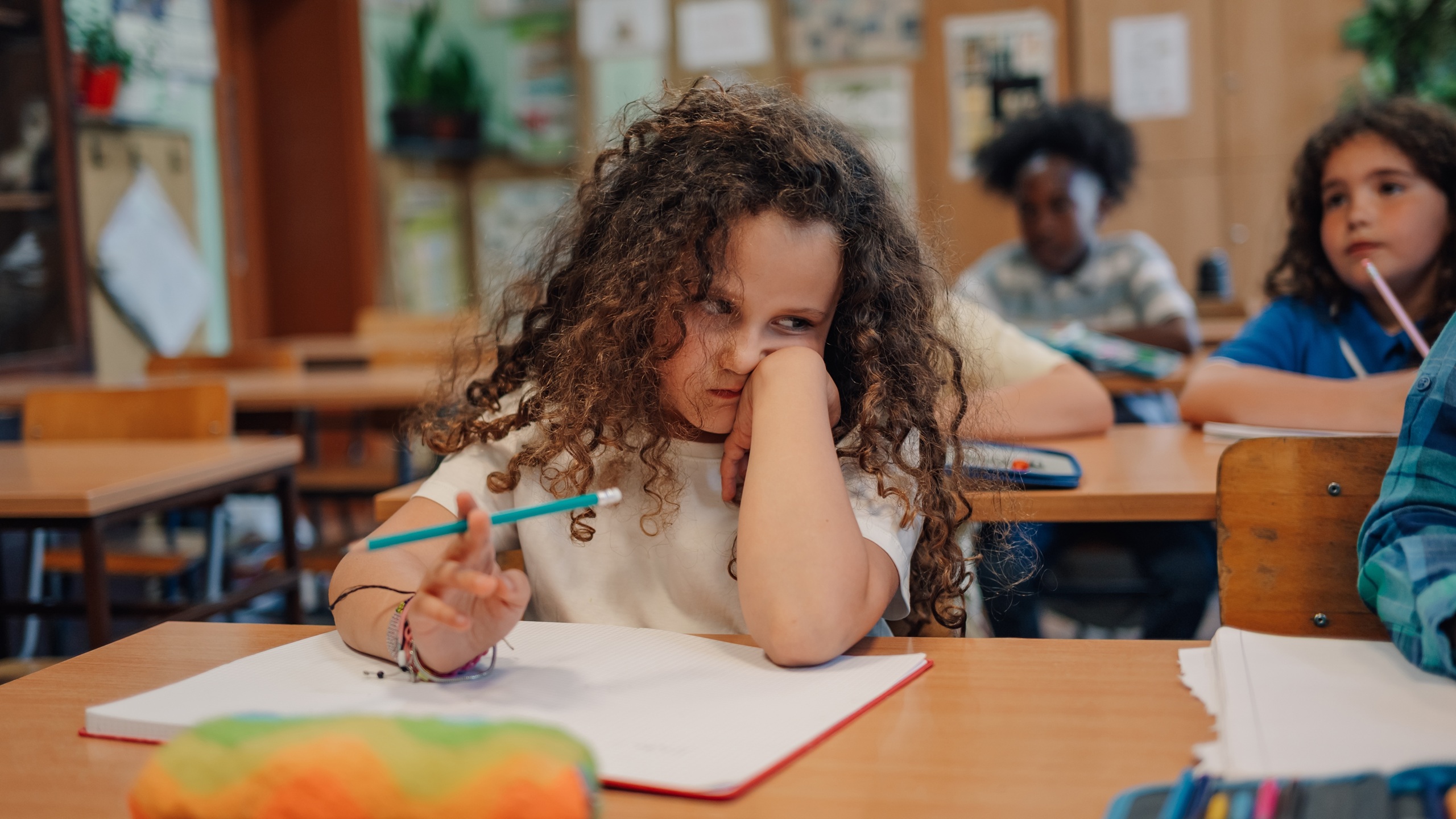
Labeling everything from reading to chores to visiting Grandma as “boring” can stifle curiosity and prevent children from exploring new activities. From sentence construction to attitude, there are many reasons you shouldn’t let your child say this word.
Phrases like “I’d rather do something else” or “This isn’t really my favorite thing to do” lead to better communication and a more positive attitude.
“It’s not fair!”
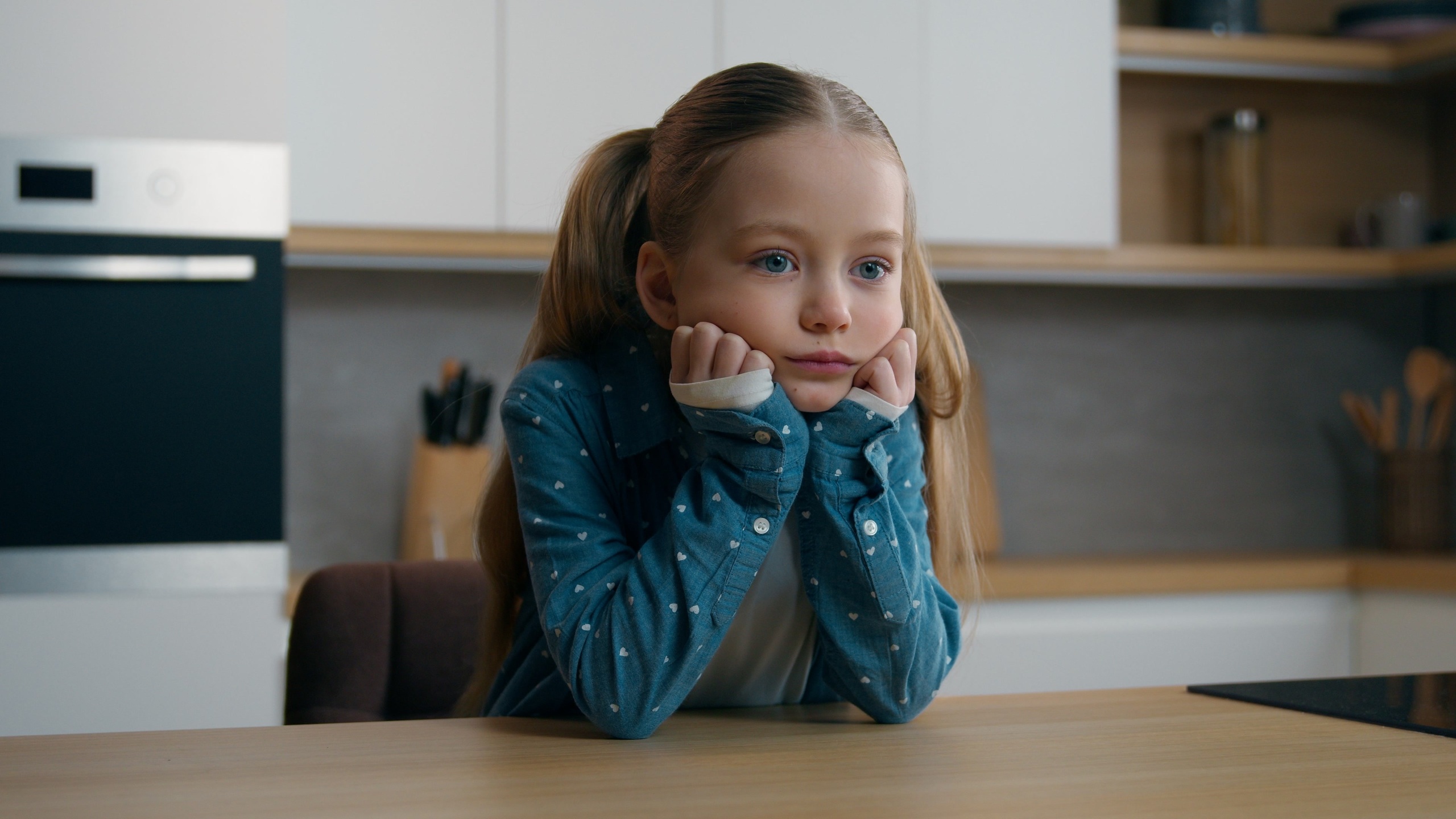
Children often say this when they don’t get their way, but life isn’t always fair. If said too frequently, they may start believing that everything will always be favorable to them.
Rather than telling children that life is fair, parents can ask them what part wasn’t fair and explain the difference between being fair, disappointed, and denied.
“You’re mean”

Sometimes, children may label a parent as “mean” because they are setting limits, saying no, or encouraging healthy boundaries. Although this is typically out of frustration and not a sincere belief, it can become a great lesson in identifying emotions.
Prompt your child to better identify exactly how they feel by saying, “I feel disappointed,” “I feel angry,” or “I wish you would say yes.”
“I don’t care”

When children say “I don’t care”, nine times out of ten they do care. The phrase becomes armor for their disappointment, embarrassment, fear or sadness.
Don’t take it at face value. Prompt them to open up about what is truly upsetting them. Assist them in finding the words to describe how they really feel. Honesty will help them gain confidence, emotional awareness, and close family ties.
Like our content? Be sure to follow us.